Last updated November 25, 2026
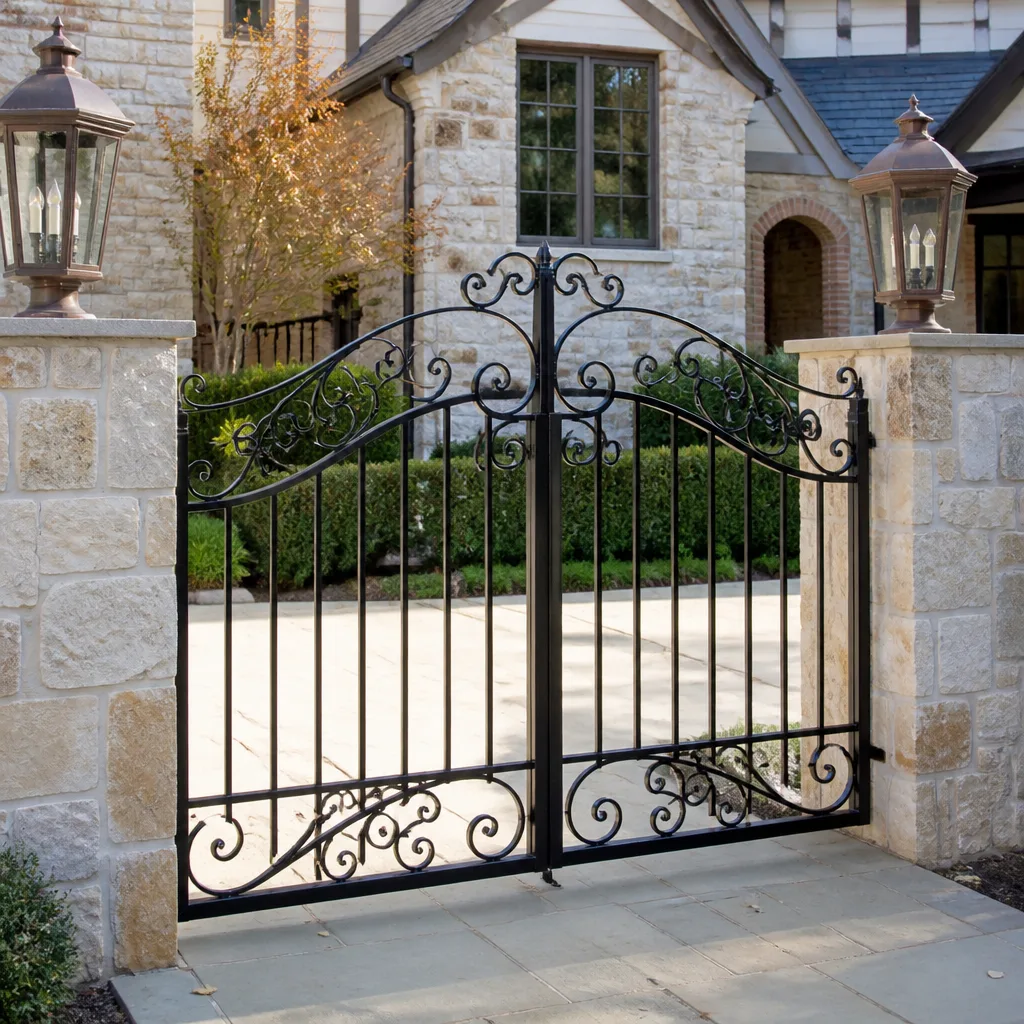 Wrought iron
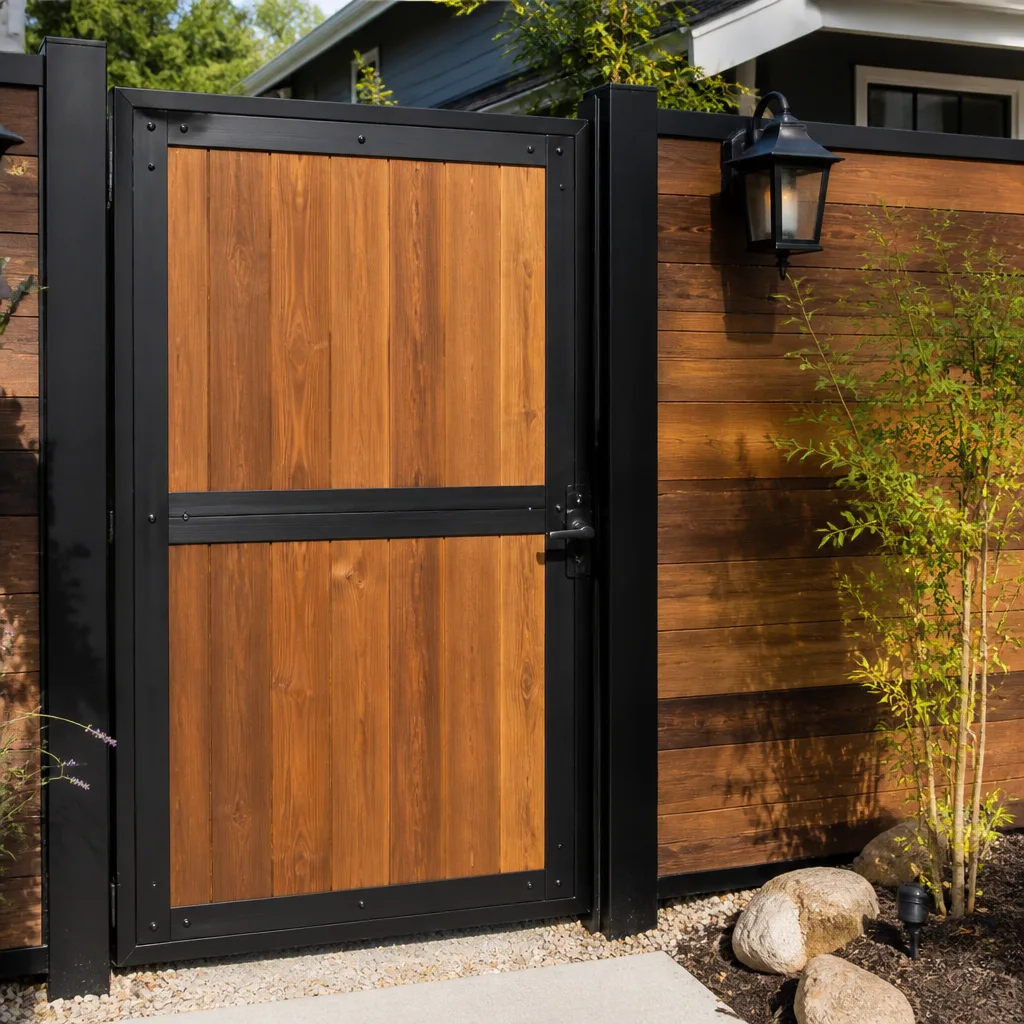 Wood & steel frame
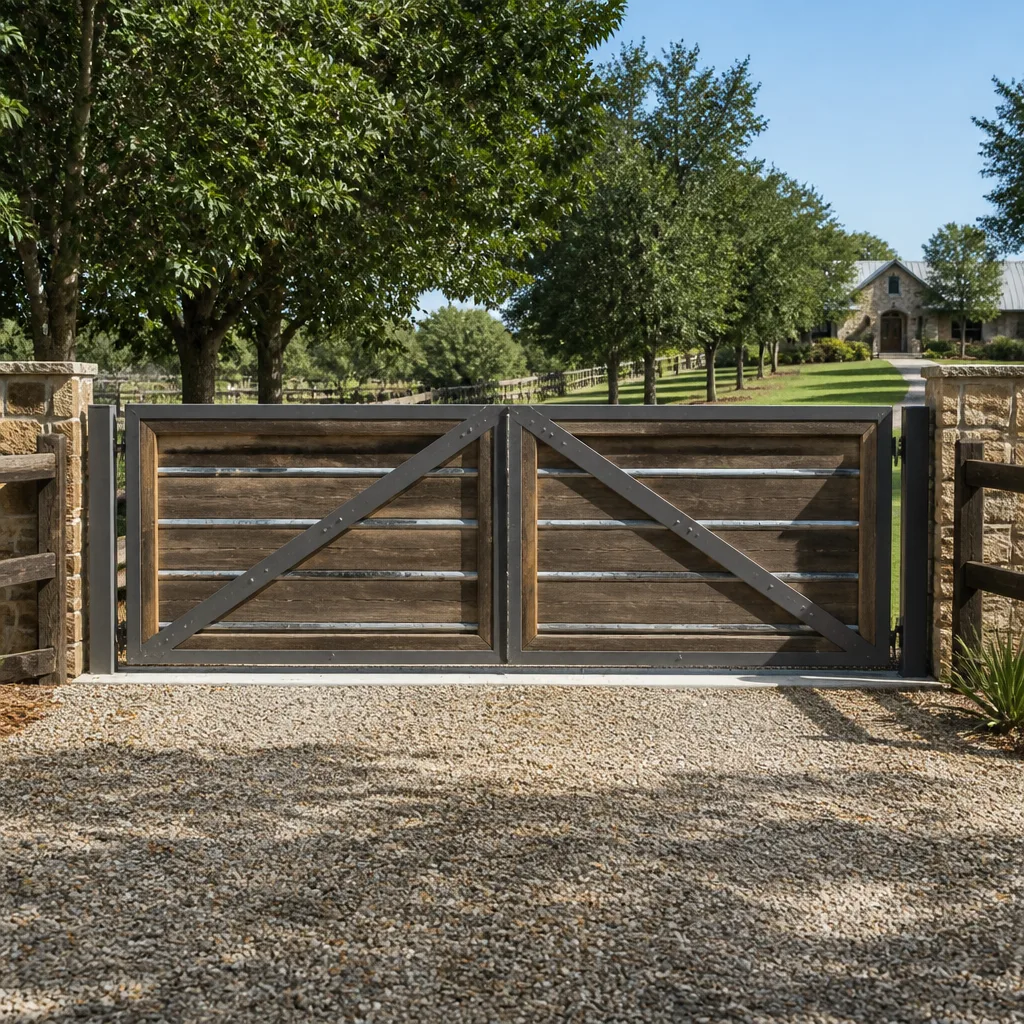 Farm & ranch
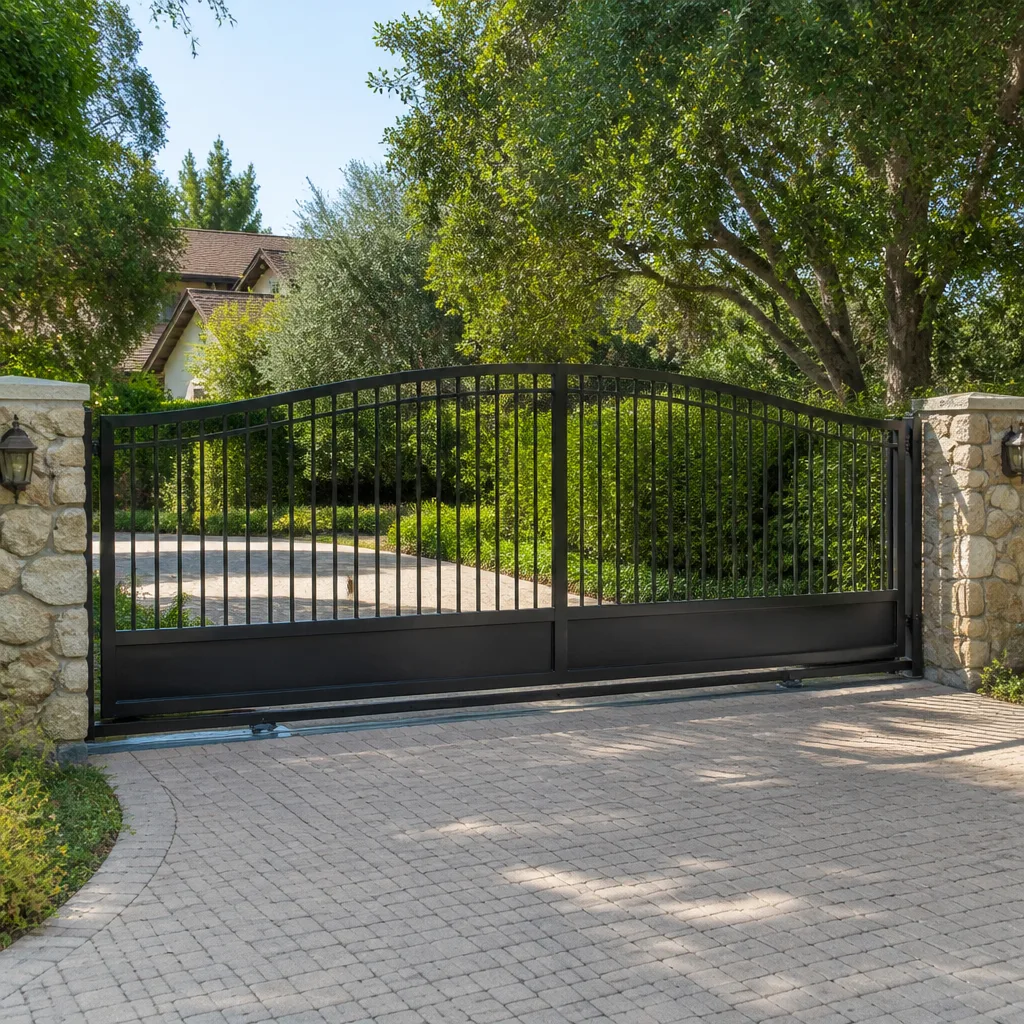 Sliding driveway gates
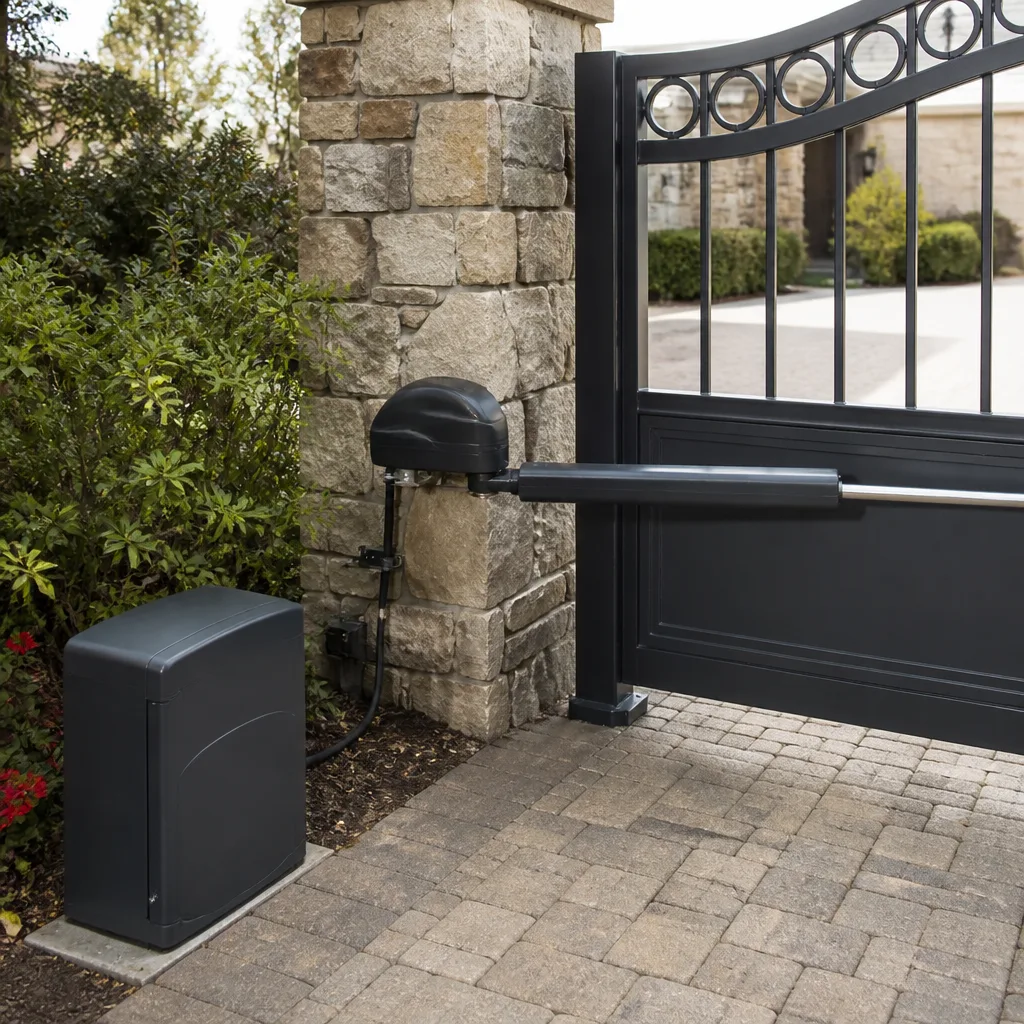 LiftMaster operators
Free on-site gate assessment - hinges, posts, and your LiftMaster or Nice gate operator checked before anything is quoted
The assessment is free and the quote is the invoice.
Get your free estimateSeasonal Gate Repair Care for Evanston: Year-Round Homeowner’s Guide
Most gate care advice you’ll find online was written for a climate that isn’t ours. It talks about sun damage, dust, and dry heat – problems that barely register on a property near the lake. In Evanston, the gate-killers are different: summer humidity that works its way into control boards and keypads, and freeze-thaw cycles that heave concrete footings and jam tracks every winter. Road salt migrating into driveways is the quiet culprit behind most January-to-March failures we see, not the cold itself. This guide walks you through what actually threatens an automated gate in Evanston, season by season, and shows you which tasks you can handle yourself and which ones belong with a technician.
Quick Answer
Seasonal gate care in Evanston means matching maintenance to what the weather is actually doing: checking batteries and clearing salt from tracks in winter, inspecting footings and hinges after the spring thaw, testing humidity-exposed control boards and access keypads in summer, and lubricating and testing backup power before the first hard freeze in fall. Most homeowners schedule a preventive visit once in early spring and once in late fall, though a free estimate at any point in the year tells you exactly what your specific gate needs.
Styles & brands we work with
- Wrought iron
- Wood & steel frame
- Farm & ranch
- Sliding driveway gates
- LiftMaster operators
Table of Contents
- Winter: Salt, Ice, and Sub-Zero Battery Performance
- Spring: Footings, Hinges, and Post-Thaw Alignment
- Summer: Humidity, Circuit Boards, and Thermal Cutoffs
- Fall: The Pre-Winter Prep Sequence
- Which Tasks to DIY and Which to Schedule
- The Best Months to Book Preventive Service in Evanston
- Common Mistakes to Avoid
Winter: Salt, Ice, and Sub-Zero Battery Performance
The number-one cause of gate failure in Evanston between January and March isn’t the cold – it’s road salt. Salt that migrates from the street into driveways lands on operator mounting hardware, gate tracks, and hinges, and begins accelerating corrosion the moment it makes contact. Because a gate cycle happens in seconds but corrosion works around the clock, a gate can look fine in November and start grinding by February. Cleaning the track and wiping down mounting hardware once the salt trucks have been through is one of the highest-value things you can do all year.
Ice in a track creates a problem that mimics motor failure but isn’t. When a heavy gate stalls, homeowners often assume the motor has died when the real issue is a frozen track or a roller seized by ice. Before you call anyone, clear the track and see if the gate moves freely by hand. If it does, the motor is likely fine. If it still won’t budge, that’s a different diagnosis.
Battery backup is where sub-zero temperatures genuinely hurt. A backup battery that holds a full charge in October can lose a large share of its capacity in deep cold, so a power outage during a February storm is exactly the moment it’s least reliable. Here’s the winter routine we recommend:
- Clear snow and ice from the track and the gate’s travel path before running the operator.
- Wipe road salt off mounting hardware and the track with a damp cloth after heavy road-salt days.
- Test the battery backup by cutting power at the breaker and timing how long the gate runs – if it stalls quickly, the battery needs attention.
- Watch for sluggish opening in cold weather, which can point to a battery or a lubrication problem before it becomes a full failure.
- Keep the keypad and access controls clear of snow so you’re not locked out when you need them.
For homeowners with systems like Mighty Mule solar operators, winter also means less sunlight reaching the panel, so a battery that’s marginal in summer can fall short by December. If your gate struggles in the cold, a gate motor & opener check is a sensible first step before the next storm.
Spring: Footings, Hinges, and Post-Thaw Alignment
Spring is when the ground tells the truth. Evanston’s freeze-thaw cycles push moisture into the soil, freeze it, and lift it – a process called heave – and anything anchored in that soil moves with it. A concrete footing that was perfectly level in October can be slightly out of level by April, and a swing gate that hung square all winter can start to sag or drag. That’s not a hardware failure; it’s the ground doing what freeze-thaw does, and post-thaw inspection is the single most useful thing you can do in early spring.
Here’s what a spring check should cover:
- Look for heaving or tilting at the gate posts and at the operator mounting footing.
- Check hinge alignment – a gate that no longer closes cleanly often has a post that has shifted slightly.
- Inspect the track for cracks or lifted sections that ground movement may have caused.
- Reset the operator after winter power fluctuations. A power surge or outage can leave the limits and travel settings slightly off, so the gate may open or close short of where it should.
- Confirm that safety edges and sensors are still working as intended before the gate gets regular use again.
Ground movement is also the reason a gate can develop a dragging sound that wasn’t there before. Before you replace hardware, ask whether the alignment changed – the answer is often yes. If your gate needs work on the entry system after a rough winter, gate access control service can sort out keypads, interlocks, and loop detectors so the whole entry works together. A post-thaw visit in spring also catches small footing problems before they turn into a full re-anchor.
Summer: Humidity, Circuit Boards, and Thermal Cutoffs
Summer in Evanston brings lake humidity, and humidity is the enemy of electronics. Control boards, keypads, and intercoms live inside enclosures that are usually vented but rarely sealed, and moisture in the air condenses on cooler surfaces when the temperature swings between day and night. Over a season, that condensation on a circuit board can lead to intermittent failures that are frustrating to diagnose. You might see a gate that works in the morning and refuses to respond in the afternoon – the board isn’t dead, it’s just confused by moisture.
Access-control keypads suffer the same way. A keypad like a DoorKing or Elite unit that starts to accept codes unreliably in July is often telling you that the buttons or the internal board are humid, not that the code is wrong. Wiping the keypad, checking that its weather seal is intact, and confirming the enclosure drains properly all help. If a keypad or an intercom has failed outright, our gate specialists can replace or reprogram it – we work on DoorKing and Elite systems regularly, from the motor to the keypad.
Heat also triggers something a lot of homeowners don’t expect: motor thermal cutoffs. Operators are rated for a certain duty cycle, and on a hot afternoon a gate that cycles heavily – an HOA gate with a lot of traffic, or a home gate a family uses constantly – can hit its thermal limit and shut down to protect itself. That’s not a breakdown. It’s the motor doing its job. If your gate quits on hot afternoons but works fine in the evening, thermal cutoff is a strong candidate.
For gates on solar backup, summer is the best time of year for these systems, and it’s the season to verify the panel is producing what it should. Solar charging that looks marginal in June is a warning sign for December. When that is sluggish we recommend having the charger and panel checked before fall rather than in a blizzard.
Fall: The Pre-Winter Prep Sequence
If you do one preventive visit a year, make it the fall. That’s when you set the gate up to survive winter, and every task in the sequence is cheaper than the repair it prevents. Fall prep is about lubrication, sealing, and power – three things that each determine whether your gate comes through February intact.
Start with lubrication, but choose the lubricant for cold weather. A general-purpose oil or a grease that thickens in cold will turn your smooth-running gate into a sluggish one the first time the temperature drops below freezing. We recommend a cold-rated lubricant or a dry-film spray on tracks and rollers – something that stays slick in freezing conditions and doesn’t attract grit. Never pile on thick grease that hardens in the cold. Weatherstrip comes next. Worn weatherstrip around operator enclosures and keypads lets moisture in all winter, so inspect it while the weather is still on your side and replace anything that’s cracked or peeling.
Then test the backup power before heating season. Cut the power at the breaker and confirm the gate completes a full cycle on battery. If it doesn’t, replace the battery now rather than discovering the problem during a February outage. Here’s the sequence, in order:
- Lubricate the track, rollers, and hinges with a cold-rated product.
- Inspect and replace weatherstrip on enclosures and keypads.
- Test battery backup by cutting power and running a full cycle.
- Clear debris from the track and confirm the gate travels the full distance.
- Wipe down mounting hardware and any bare metal that road salt will reach.
- Cycle the gate several times and note any noises or hesitation.
Fall is also the right time to check your operator’s settings once more, because a slight limit drift that doesn’t matter in mild weather can become a jam in ice. If anything feels off, book a diagnostic. This sequence is a big part of gate repair service, and a fall visit catches small issues before winter turns them into expensive ones.
Which Tasks to DIY and Which to Schedule
Some gate care is genuinely simple, and doing it yourself saves money. Clearing salt, brushing snow, wiping down hardware, and checking that the track is clear are all things any homeowner can do safely. So is the basic “does the gate move freely by hand” test, which tells you whether you’re dealing with a motor problem or a mechanical one. Checking battery backup with a simple power-off cycle is also well within reach.
Other tasks need to stay with a technician, and this is where people get hurt or make things worse. Electrical work inside the operator, access-control programming, motor replacement, and any adjustment to a heavy swing or slide gate’s mechanics are jobs that demand the right tools and training. Here’s how to sort the two:
- DIY-friendly: clearing salt and snow, wiping hardware, testing battery backup, checking weatherstrip and seals, noting odd noises.
- Schedule a technician: control board and wiring issues, motor or opener replacement, access-control programming, keypad and intercom repair, footing and hinge alignment work, safety edge and sensor repair.
A gate is a moving piece of equipment with real weight behind it, and an automated gate’s operator has live wiring inside. Don’t reach into the control box. If a gate isn’t behaving, get a proper diagnosis – our technicians have up to 12 years of experience and every technician focuses exclusively on gate systems, not garage doors or fences. That focus shows up in diagnostic accuracy.
The Best Months to Book Preventive Service in Evanston
Timing matters more than most homeowners realize. Because our seasons have distinct threats, the best preventive visits land just before each threat peaks. For Evanston, that means two visits a year: one in spring after the thaw, and one in fall before the first hard freeze. If you’re deciding between the two, choose fall – the prep sequence prevents more winter failures per visit than anything else.
What the calendar looks like for a typical Evanston property:
- Early-to-mid spring (after the thaw): footing and hinge inspection, operator reset after winter power swings, safety sensor check.
- Late spring: humidity-season prep on control boards and keypads, solar panel check if you run battery backup.
- Late summer: catch thermal or intermittent issues before they’re urgent; the heat reveals which electronics are struggling.
- Early-to-mid fall: the full pre-winter sequence of lubrication, weatherstrip, battery test, and full-cycle check.
Evanston’s housing stock and its proximity to the lake both shape how a gate ages, and properties near the shoreline neighborhoods feel the humidity earlier and harder than inland. One visit timed to the season is worth more than five calls after something breaks. Book early – preventive slots fill as winter approaches. If a gate fails unexpectedly, call and we’ll book you at the earliest opening, including early mornings or Sundays when needed.
Common Mistakes to Avoid
- Using thick grease that hardens in the cold. You’ll blunt your gate just before winter begins. Choose a cold-rated lubricant that stays slick at freezing temperatures.
- Assuming a stalled gate means a dead motor. Ice in the track, a seized roller, or a ground shift mimic motor failure constantly in Evanston. Test whether the gate moves freely by hand before you spend money on a diagnosis.
- Skipping the salt cleanup. Many January-to-March failures trace back to salt left on mounting hardware all winter. A five-minute wipe-down is easy insurance.
- Discovering the battery failing during a power outage. Test backup power in the fall, not the middle of a February storm, so a dead battery doesn’t leave you locked in or out.
- Letting a post-thaw hinge misalignment linger. A gate that drags after a wet spring will wear its hardware faster all summer. Have the alignment checked before you end up replacing parts.
- Assuming a July keypad failure is a programming problem. A DoorKing or Elite keypad that ignores codes in summer humidity often needs a weather seal or board check, not a new code.
- Waiting until the first freeze to schedule a preventive visit. Fall slots fill up as winter nears, so book early to get the full prep sequence in before the weather turns.
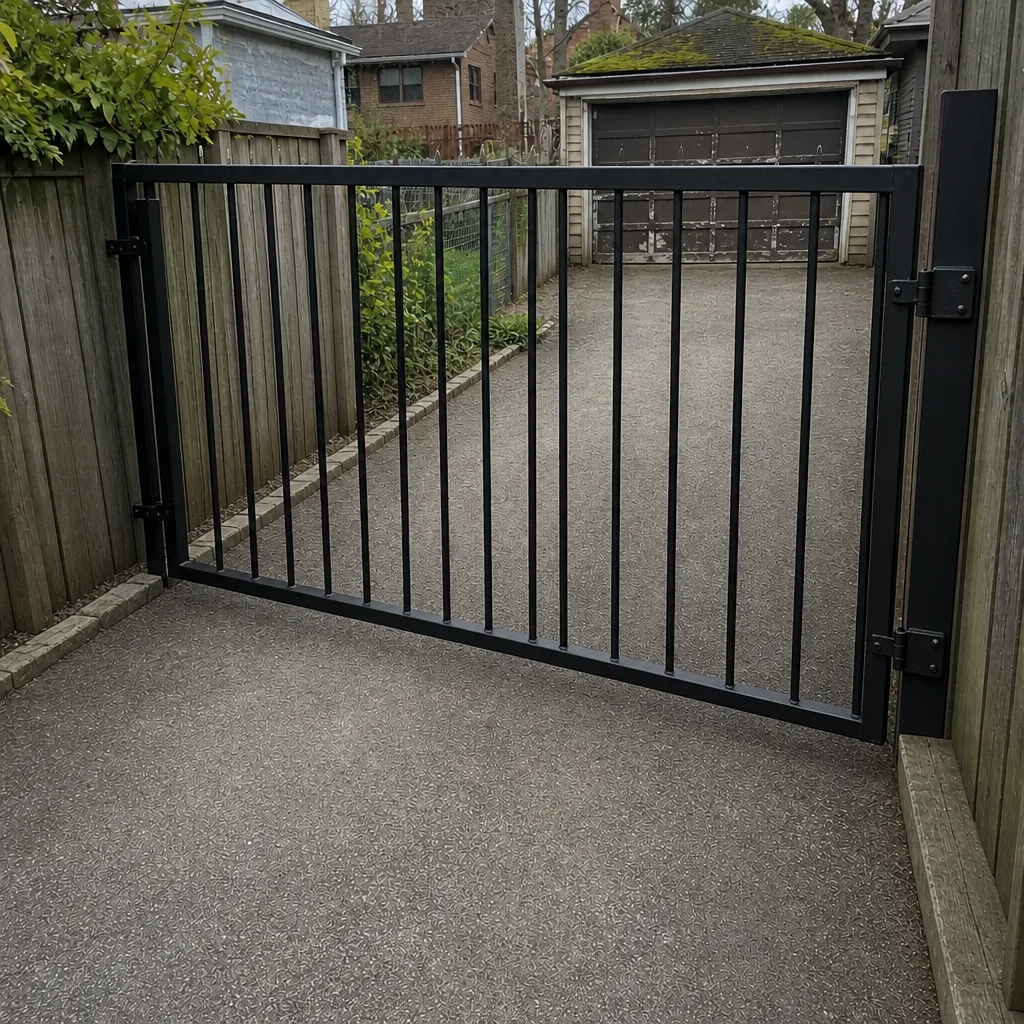
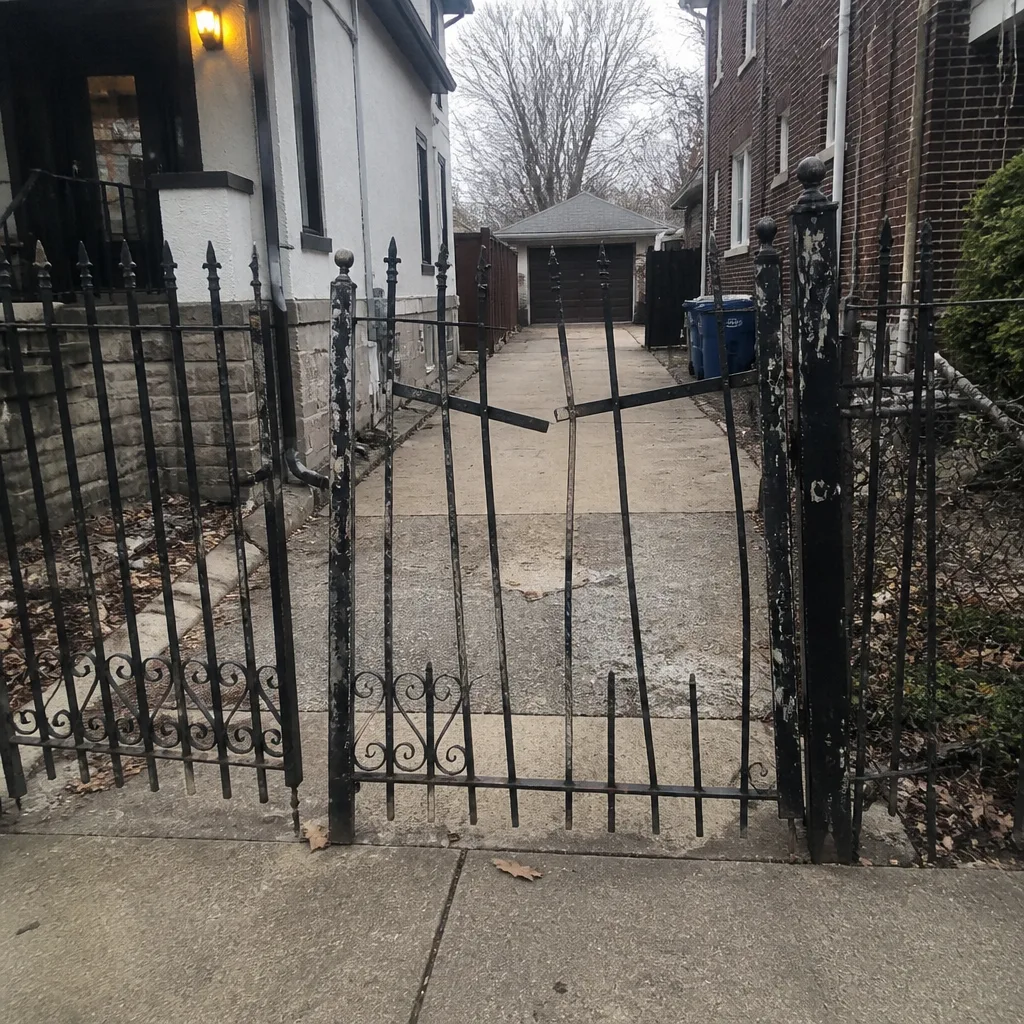
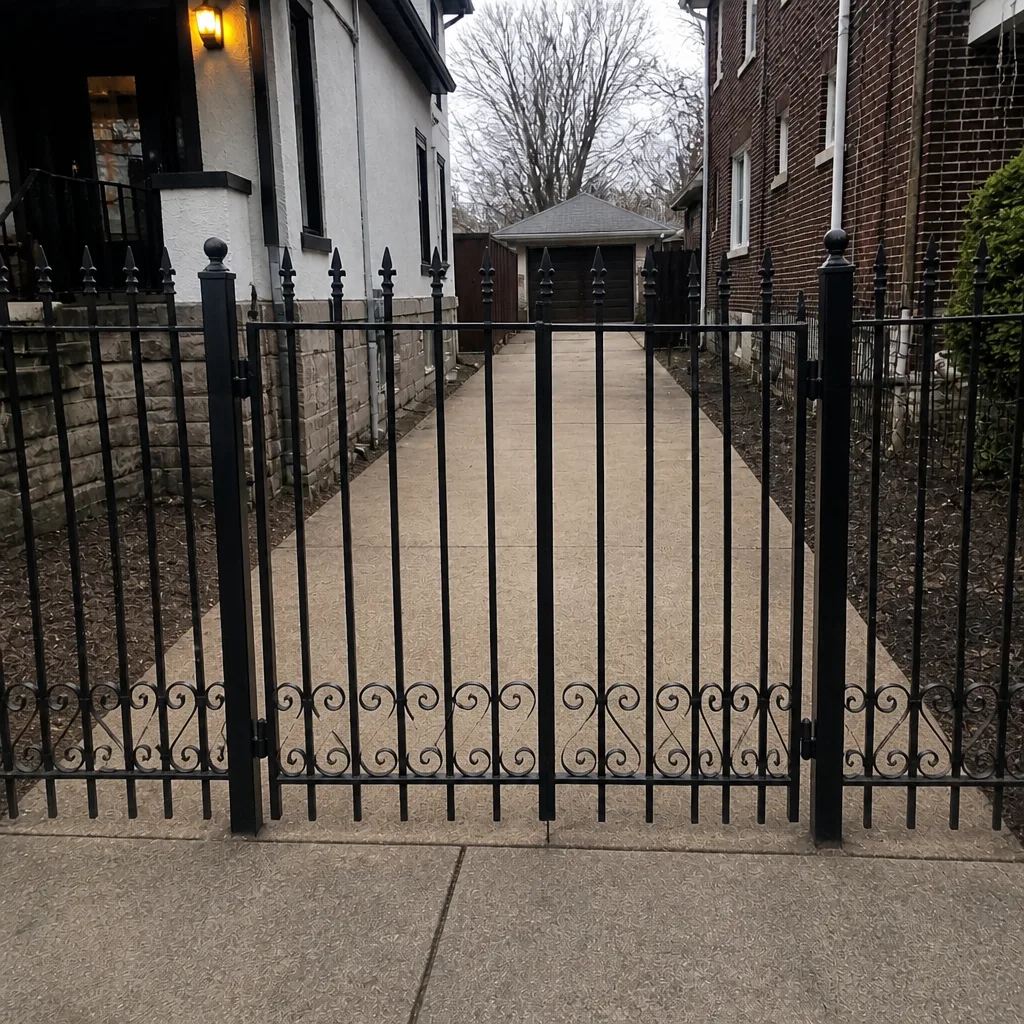
See the difference
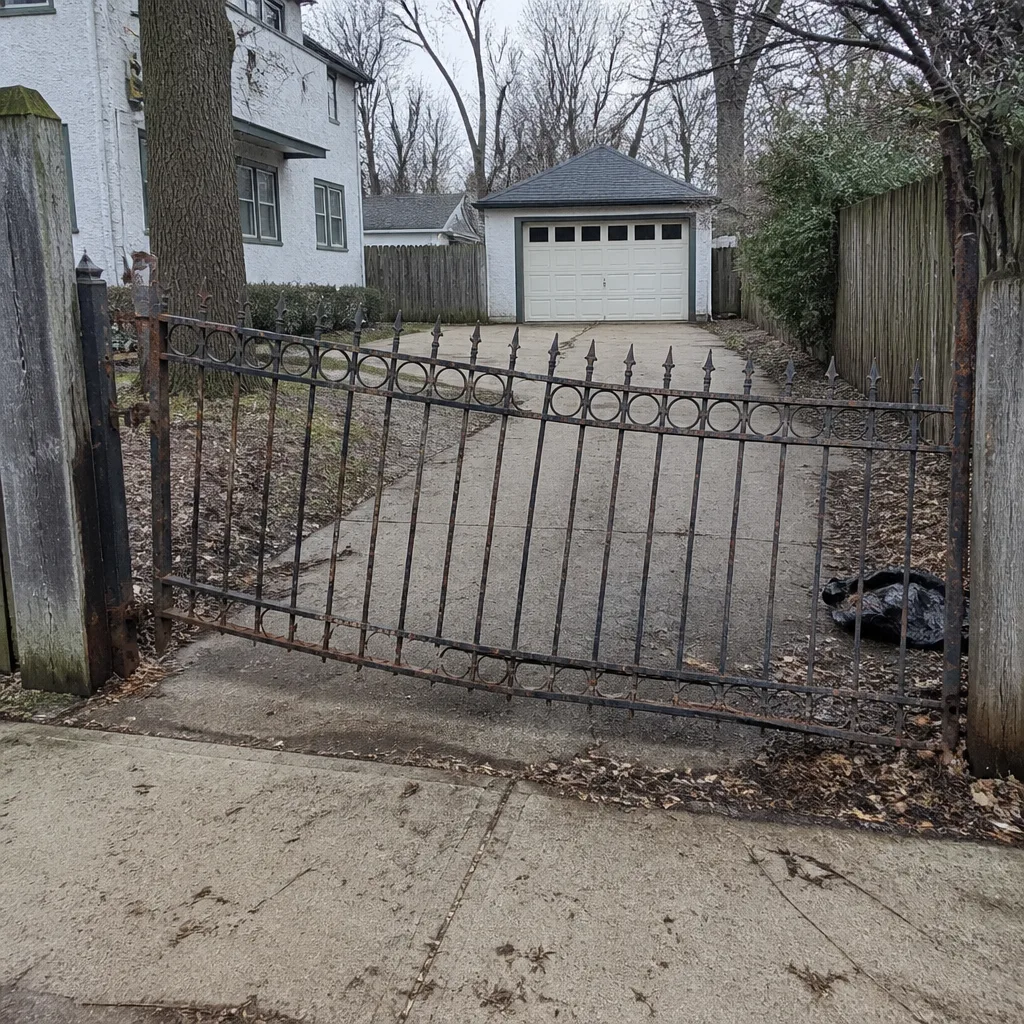 Before
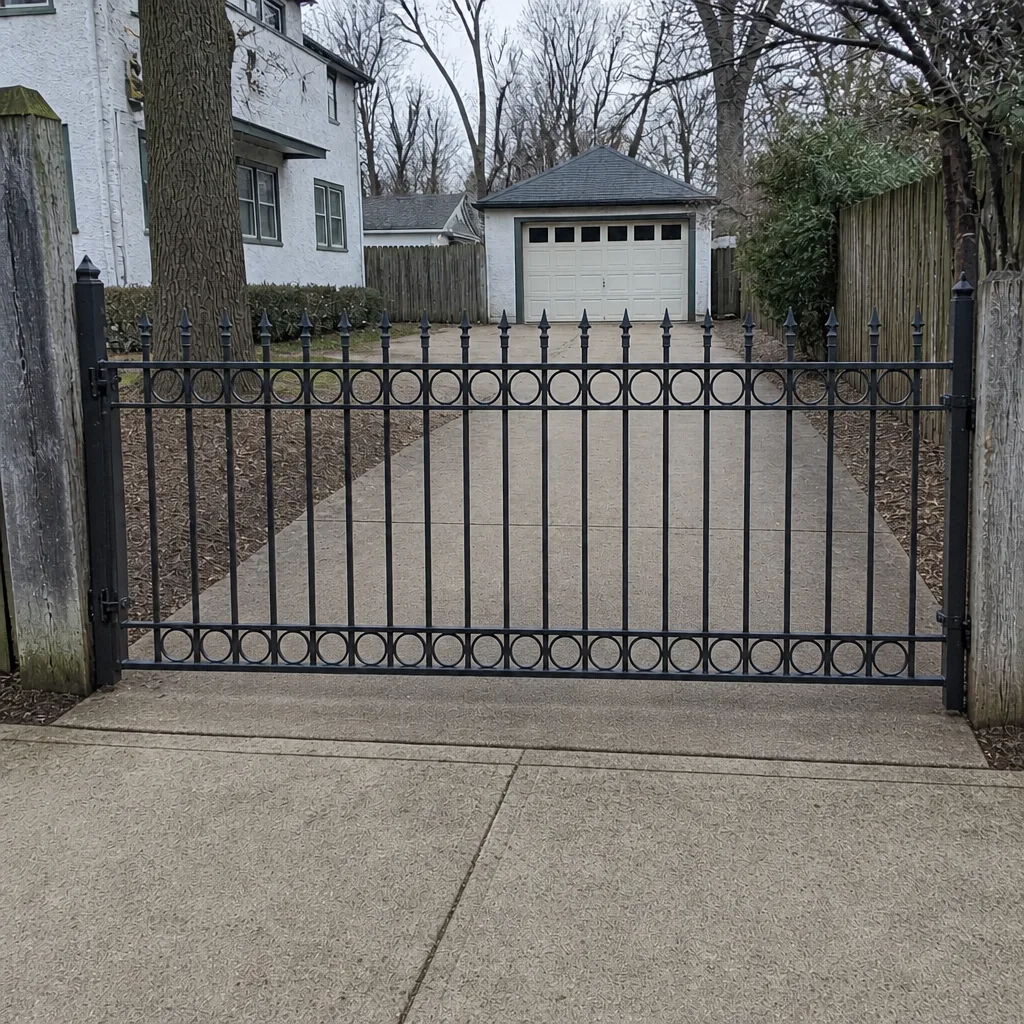 After
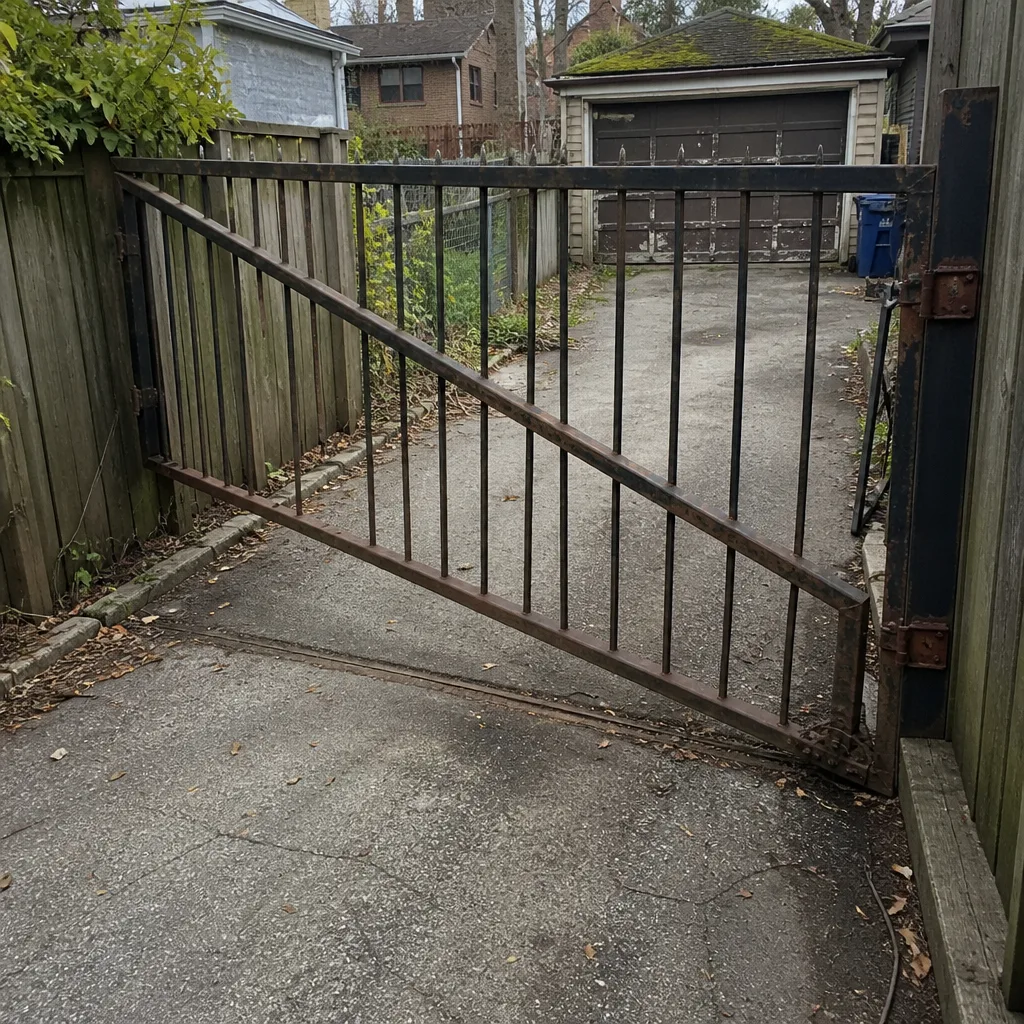 Before
 After
 Before
 After
When to Call a Professional
Call a technician when the gate won’t fully open or close even after you’ve cleared the track and ice, when an operator keeps tripping thermal cutoffs on hot afternoons, when a control board shows signs of moisture damage, when a heavy swing or slide gate starts dragging after ground movement, or when something seems off with your access controls and you’re locked out. Any electrical issue inside the operator warrants a professional – don’t reach into the control box yourself. If your gate has stopped working entirely and you’re not sure why, Evanston Gate Repair offers free estimates in Evanston – call (833) 467-5627. We work on residential and commercial gates from the major brands, including the ones that some generalist contractors won’t touch. Get your gate moving again before the next season turns it into a bigger repair.
Frequently Asked Questions
Fall is the most important season for gate maintenance in Evanston because it’s when you prepare the gate to survive winter. The pre-winter sequence – cold-rated lubrication, weatherstrip inspection, battery backup test, and a full-cycle check – prevents more failures than any other single visit. If you can only schedule one preventive service a year, make it fall.
Road salt migrating into driveways is the most likely culprit. It corrodes operator mounting hardware and gate tracks through the winter, and a gate can cycle smoothly right up to the point where accumulated corrosion or a frozen track stops it. Winter sub-zero temperatures also reduce battery backup capacity, so a power outage can leave a gate stuck. Clearing salt and testing the battery before the next storm prevents both.
Probably not. Motors have a thermal cutoff that shuts the operator down when it gets too hot from heavy cycling, and it resets on its own once things cool. If your gate works fine in the evening but quits on a hot afternoon, thermal cutoff is the likely answer. If it fails in cooler conditions too, then it’s worth a diagnostic.
Yes. Evanston’s summer humidity affects access-control keypads, and a keypad that starts ignoring codes in July isn’t necessarily misprogrammed. We work on DoorKing and Elite keypads and can check the weather seal, inspect the internal board, repair or reprogram the unit, and confirm the full entry system is working as intended. For an exact diagnosis, call (833) 467-5627 – estimates are free.
Often yes. Power surges and outages can shift the operator’s limits and travel settings, so a gate may open or close short of where it should. A spring operator reset after the thaw is part of our seasonal service, and it’s usually quick to check. If the settings are off, they can be corrected during a standard visit rather than left until something jams. Call (833) 467-5627 to schedule a look.
A seasonal gate service visit is priced per job by written estimate after we look at your specific gate. It typically covers the tasks matched to that season – for example, footings and hinge alignment in spring, or lubrication, weatherstrip, and battery testing in fall – and the exact price is quoted and agreed before any work starts, so you’ll never get a surprise invoice. Call (833) 467-5627 for a free estimate in Evanston.
The Bottom Line
Gate care in Evanston is a matter of matching maintenance to the season rather than recycling generic advice. Winter is about salt and battery performance, spring is about footing and hinge alignment after the thaw, summer is about humidity and thermal limits, and fall is the pre-winter sequence that protects everything else. Handle the salt, snow, and visual checks yourself; leave wiring, motors, and access-control programming to a technician. Two careful visits a year, one in spring and one in fall, keep a gate running through every season. Book early, and you won’t be calling in a blizzard.
When your gate needs attention in any season, call Evanston Gate Repair at (833) 467-5627 for a free estimate. As Evanston Gate Repair, our gate-only specialists work on residential and commercial systems from the motor to the keypad, and we’re glad to take a look. Get your gate moving again.
Written by the team at Evanston Gate Repair.