Last updated November 25, 2026
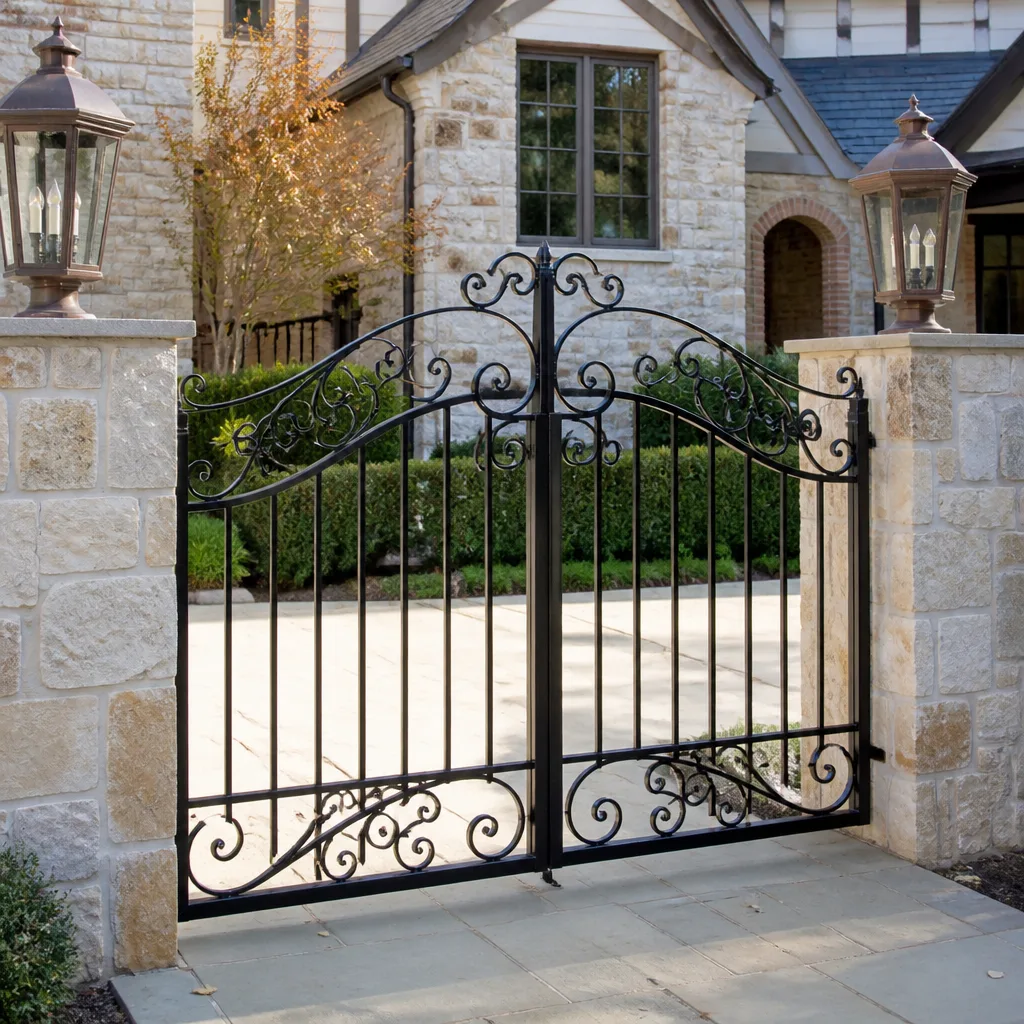 Wrought iron
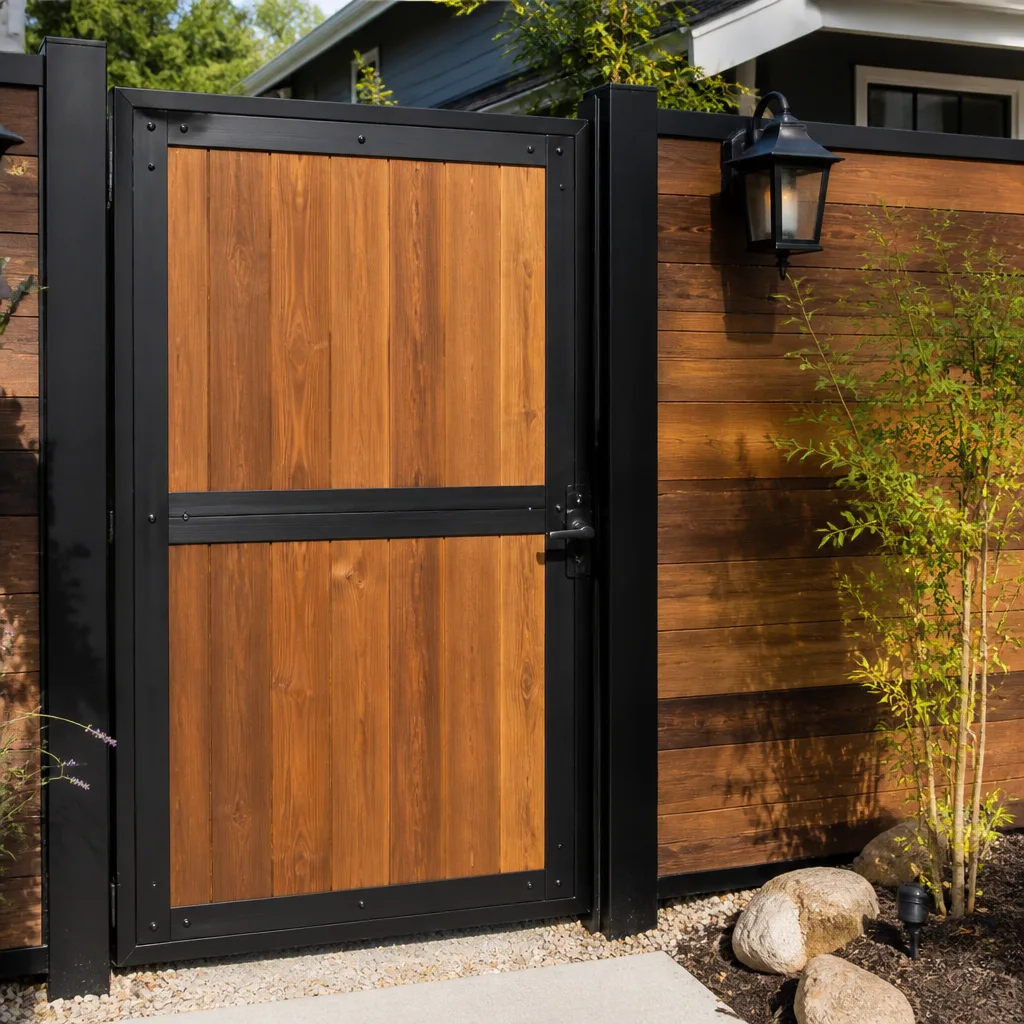 Wood & steel frame
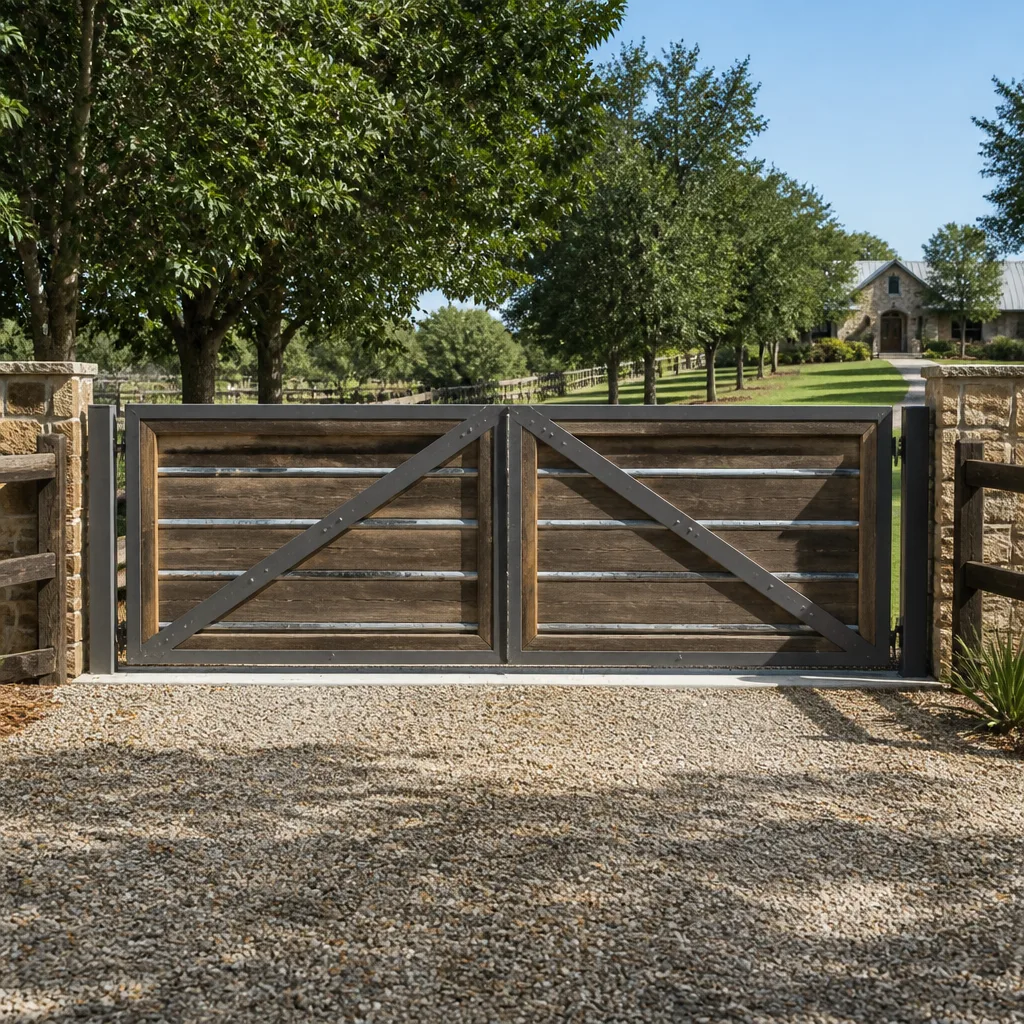 Farm & ranch
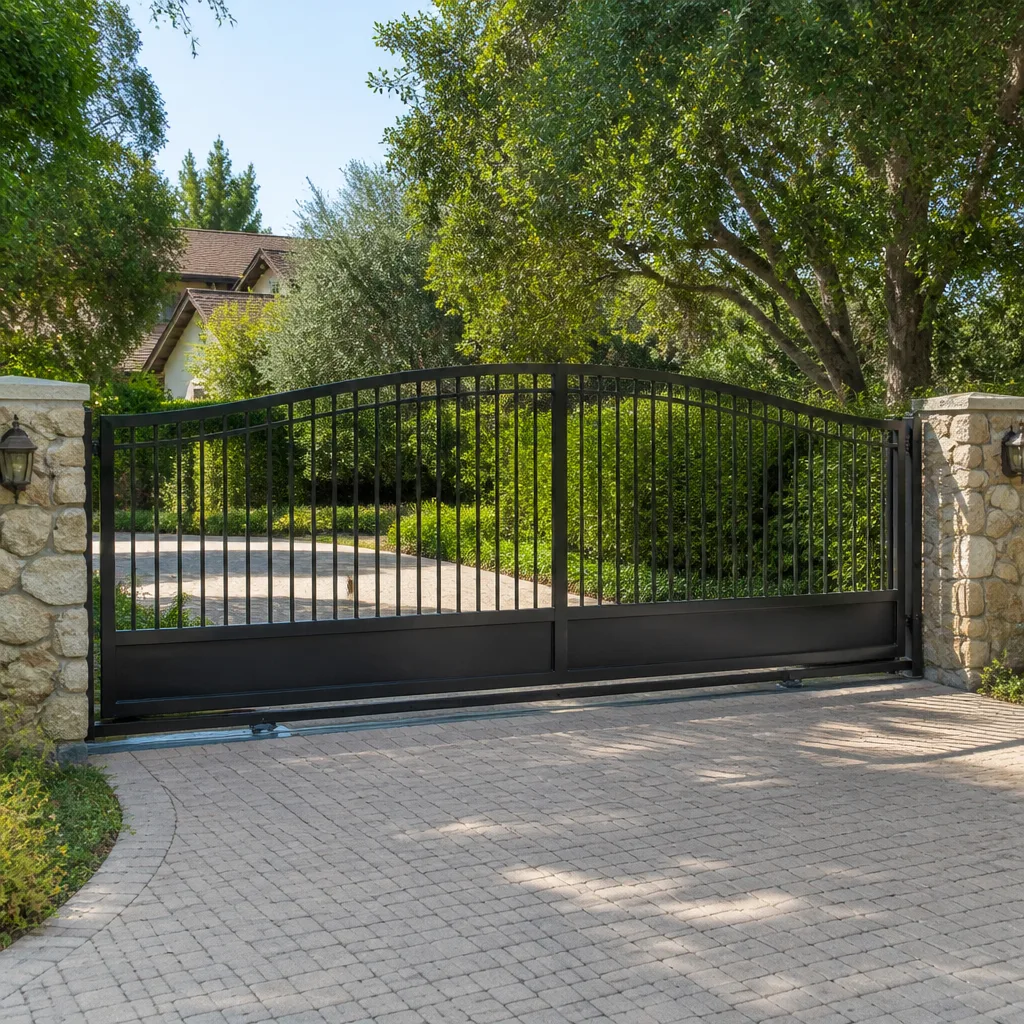 Sliding driveway gates
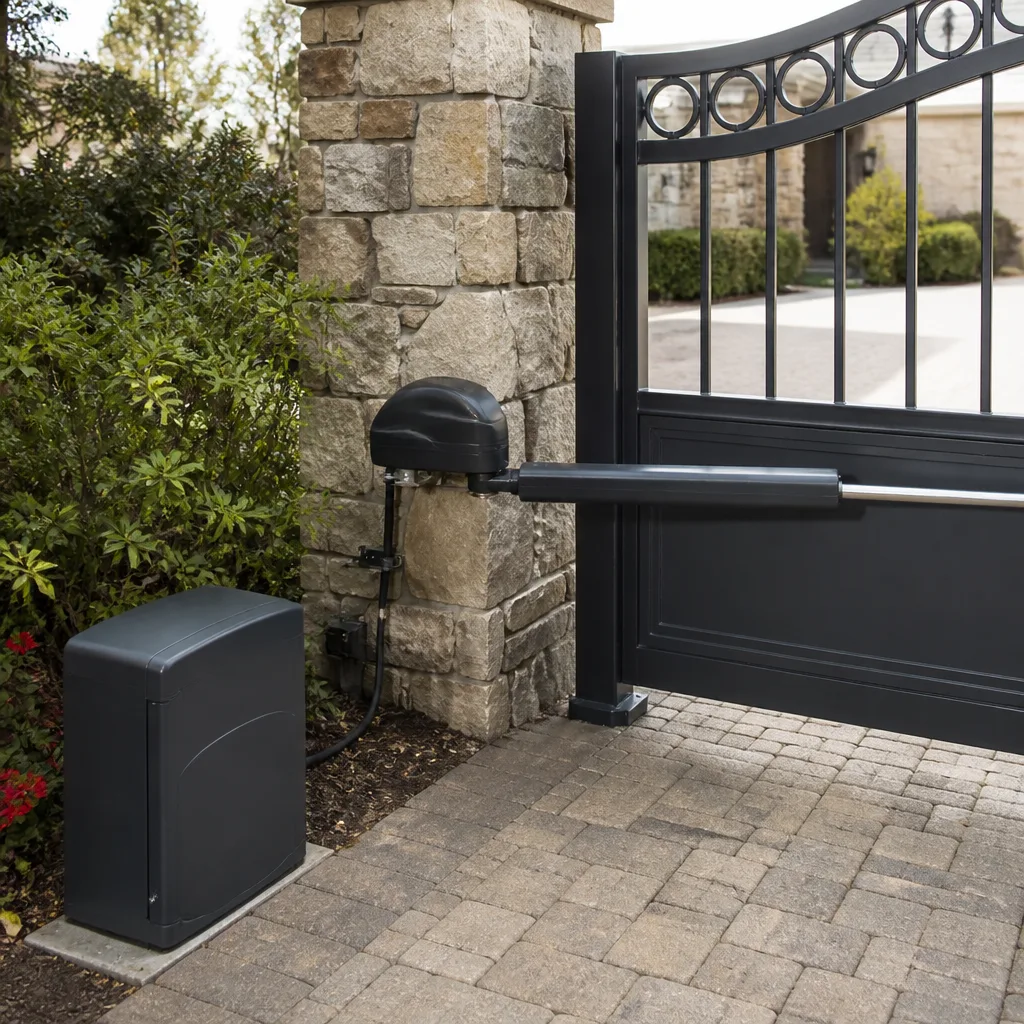 LiftMaster operators
Free on-site gate assessment - hinges, posts, and your LiftMaster or Nice gate operator checked before anything is quoted
The assessment is free and the quote is the invoice.
Get your free estimateThe Complete Guide to Gate Repair in Evanston
A gate that reverses before it closes usually isn’t broken. Nine times out of ten it’s reading a dirty photo-eye as an obstruction, and the fix costs less than a tank of gas. The homeowner who knows that saves the price of a service call and the frustration of being told they need a whole new operator. That gap between what a gate is actually doing and what it gets diagnosed as is where most repair money gets wasted. This guide maps the real failure modes of automated gates, explains why the historic masonry and older housing stock around Evanston produce problems you won’t see in newer suburbs, and shows you how to tell a forty-dollar part from a full motor replacement before anyone touches your gate.
Quick Answer
Most gate failures fall into one of five root causes: electrical, mechanical, access control, environmental, or firmware. Identifying which category you’re dealing with before you call anyone is the difference between a small part replacement and an unnecessary motor swap. A proper diagnostic visit in the Evanston market typically runs $95 to $180, and that fee should be applied toward the repair if you move forward. If your gate reverses, stalls, or stops responding, the cause is usually diagnosable on-site in under an hour.
Styles & brands we work with
- Wrought iron
- Wood & steel frame
- Farm & ranch
- Sliding driveway gates
- LiftMaster operators
Table of Contents
- The Five Root Causes of Gate Failure
- How to Tell the Five Apart Before You Call
- Why Evanston’s Housing Stock Changes How Gates Fail
- How LiftMaster, FAAC, and Elite Gates Fail Differently
- Repair vs. Reconfiguration: The Upsell Trap
- What a Proper Diagnostic Visit Includes
- What Diagnosis and Repair Cost in Evanston
- Common Mistakes to Avoid
- When to Call a Professional
The Five Root Causes of Gate Failure
Every gate problem we diagnose traces back to one of five categories. Learning to recognize them is the single most useful skill a gate owner can develop, because the category determines who you call and what you should expect to pay. A mechanical problem needs a gate technician. An access control problem may need someone who understands keypads and loop detectors. Getting the category right on the front end prevents the wrong contractor from spending your money on the wrong fix.
1. Electrical
Electrical faults cover the operator’s power supply, the control board, the transformer, and the wiring that runs from the house or panel out to the gate. Symptoms include a gate that’s completely dead, one that moves in only one direction, or a board that clicks but won’t actuate. On Evanston properties with older service panels and long wire runs to a rear or side gate, voltage drop is a real culprit. Low voltage at the operator causes intermittent behavior that looks like a motor problem but isn’t.
2. Mechanical
Mechanical failures live in the gate leaf itself: hinges, rollers, tracks, the operator arm, chains, and the physical structure of the gate. A gate that sags, drags, or binds is fighting its own weight, and the operator often gets blamed for a problem that’s purely structural. Heavy wood and ornamental metal leaves on older Evanston properties are especially prone to hinge wear and post movement over time.
3. Access Control
Access control is everything that tells the gate to open: keypads, remotes, receivers, intercoms, card readers, loop detectors, and phone or app entry. When a gate opens with the keypad but not the remote, or vice versa, you’re looking at access control, not the operator. This is the category most often misdiagnosed by generalists, because it requires understanding the full entry system rather than just the motor.
4. Environmental
Environmental causes are the ones the physical setting creates: debris in the track, ice and snow packing around a slide gate, frozen ground shifting a post, and the freeze-thaw cycling that’s part of every Evanston winter. A gate that worked in October and won’t close in January is often an environmental issue, not a component failure. Photo-eyes blocked by snow, leaves, or spider webs fall here too, and they produce the same reversing behavior as a genuine obstruction.
5. Firmware and Controls
Modern operators, especially the commercial-grade systems and any gate with smart access control, run on firmware and programmed logic. A gate can “forget” its limits after a power surge, misread a sensor because a setting drifted, or lock out because of a fault code that needs clearing. These are the failures that make people think the motor is dead when the motor is fine. Reprogramming the controls is often all that’s needed.
How to Tell the Five Apart Before You Call
You don’t need tools to narrow down a gate problem. A few minutes of careful observation before you pick up the phone will tell you which category you’re likely dealing with, and it makes the conversation with any technician far more productive. Work through these steps in order.
- Watch what the gate actually does. Does it move at all? Move one direction only? Reverse mid-travel? Each of these points to a different category. No movement suggests electrical. Reversing suggests environmental or a photo-eye issue. Partial travel suggests limits or mechanical binding.
- Check the photo-eyes first. Look for the small paired sensors near the ground on either side of the gate. If they’re dirty, blocked by debris, or misaligned, clean them and try again. This single step resolves the most common “gate won’t close” call.
- Try every access method. Test the keypad, the remote, and any interior control. If one works and another doesn’t, the operator is fine and the problem is access control.
- Listen to the operator. A hum with no movement suggests mechanical binding or a failed capacitor. A click with nothing else suggests the control board or power. Silence suggests power supply.
- Look at the gate leaf itself. Push it gently by hand (with the operator disengaged if your system allows a manual release). If it binds, sags, or drags, you have a mechanical issue and the operator is likely fine.
- Check for recent storms or power interruptions. A gate that misbehaves after an outage is often a firmware or limits issue, not a hardware failure.
If you get through these six steps and still can’t tell, that’s normal. Some failures overlap categories, and a proper gate repair visit will sort it out quickly. The point of the exercise is to rule out the cheap fixes before you spend money on a diagnosis.
Why Evanston’s Housing Stock Changes How Gates Fail
Evanston isn’t a new-build suburb, and its gates don’t fail the way gates fail in one. The city’s mix of historic masonry piers, mature trees, older electrical service, and properties that have been reworked and added onto over many decades creates failure patterns that a technician who only works newer subdivisions simply won’t have seen. Understanding those patterns matters when you’re deciding who to hire.
Masonry posts and modern operators don’t always agree
Many Evanston properties anchor their gates to stone or brick piers rather than the wooden and steel posts common in newer construction. Masonry moves differently than wood. It doesn’t flex, so any settling shows up as a shifted hinge plate or a gate that’s no longer square in its opening. When a modern automated operator is mounted to a historic pier, the operator is doing its job against a structure that was never designed for automation. The result is binding, hinge wear, and operators that work harder than they should. A technician who reads the whole assembly, not just the motor, catches this.
Older electrical service and long wire runs
A rear or side gate on an Evanston lot often sits a long way from the service panel, and the wiring may have been added at different times over the years. Voltage drop over a long run causes intermittent operator behavior that mimics a failing motor. A gate that works on mild days and quits on cold ones, or opens fine but won’t close, is sometimes just underpowered at the operator. Diagnosing that requires checking voltage at the gate, not just at the panel.
Freeze-thaw and mature tree cover
Evanston winters bring repeated freeze-thaw cycles, and that movement works on posts, footings, and track alignment all season. Add mature tree cover dropping debris into tracks and onto photo-eyes, and you get a class of environmental failures that shows up every year. A slide gate that runs clean in summer can bind in February because a footing has shifted a fraction of an inch. This is routine for us and surprising to a generalist.
Additions and reworked entries
Homes that have been expanded or had their entries reconfigured often have gate systems installed in stages, sometimes by different contractors. You’ll find a LiftMaster operator driving a gate with a DoorKing access control system added later, or a keypad wired to a receiver that was never properly integrated. These mixed systems need someone who understands how the pieces talk to each other. That’s the value of a gate access control specialist rather than a motor-only technician.
How LiftMaster, FAAC, and Elite Gates Fail Differently
Gate brands aren’t interchangeable, and their failure modes aren’t either. Knowing how a specific brand tends to fail tells you what to expect from a diagnosis and helps you judge whether the person you’re talking to actually knows the equipment. We work on nine major brands, and three of them illustrate the range well.
LiftMaster
LiftMaster residential operators are common on Evanston driveways and are generally reliable, which means when one fails it’s often something specific rather than a broad motor death. The most frequent issues we see are limit switches that drift out of adjustment, photo-eye alignment problems, and control board faults after power surges. Limit drift is especially common after temperature swings: the gate starts stopping a few inches short or over-traveling, and it looks like a mechanical problem when it’s a setting. A technician who knows the brand recalibrates the limits instead of replacing hardware.
FAAC
FAAC systems, especially the commercial and estate-grade operators, are heavier-duty equipment and they fail in heavier-duty ways. When a FAAC operator has a problem, it’s often in the hydraulics or the heavy mechanical linkage rather than the electronics, and the repair requires understanding the specific operator model. FAAC access control integration also matters: these systems are frequently paired with loop detectors and intercoms, so a failure that looks electrical may actually be in the detection or access layer. We’re familiar with how FAAC systems are put together, which shortens the diagnostic path considerably.
Elite
Elite gate systems show up on a lot of Evanston properties where access control and the operator were installed together as a matched system. Their failures often involve the keypad and receiver rather than the gate mechanism itself. A gate that won’t respond to the keypad but opens fine from an interior button is an Elite access control issue, not a motor issue. Because the access layer and the operator are integrated, diagnosing one without the other leads to replacing the wrong part.
The pattern holds across the brands we service, including Ghost Controls, DoorKing, and Mighty Mule: residential brands fail most often at the setup and sensor layer, while commercial brands fail in the mechanical and integration layer. That’s why hiring a gate specialist rather than a generalist matters. A specialty gate motor & opener technician recognizes the brand and its habits from the first symptom.
Repair vs. Reconfiguration: The Upsell Trap
One of the most expensive mistakes in gate service is paying for a repair when the gate only needed reconfiguration, or paying for a reconfiguration when what you actually needed was a repair. The two are different, they cost different amounts, and the wrong diagnosis sends your money in the wrong direction. Here’s how to tell them apart.
When it’s a repair
A repair fixes something physically broken or failed: a dead motor, a snapped chain, a cracked hinge, a control board that won’t power up, a photo-eye that’s stopped sending. These are hardware failures, and no amount of reprogramming fixes them. If a component has physically failed, replacing or repairing it is the only path.
When it’s a reconfiguration
A reconfiguration adjusts how the system behaves without replacing parts: resetting travel limits, reprogramming access codes, re-teaching remotes to the receiver, adjusting the close delay, recalibrating a loop detector, or clearing a fault and restoring settings after a power event. Reconfiguration is usually the cheaper of the two, and it’s often what a gate actually needs when it’s “acting up” rather than “broken.”
How the wrong diagnosis happens
The upsell trap usually works like this: a gate is behaving erratically because its limits drifted or its access control lost its programming, and a contractor who doesn’t recognize the reconfiguration issue recommends a motor replacement instead. The customer pays for a new operator when a resetting and reprogramming would have solved it. The opposite also happens: a genuinely failed component gets “reprogrammed” repeatedly, and the customer pays for multiple visits without ever getting the real fix.
Protecting yourself is straightforward. Ask the technician to explain which of the five root causes they’ve identified and why. A proper diagnosis names the category and the specific component or setting. If the recommendation is a motor replacement, ask what failed on the motor and how they confirmed it. A specialist can answer both questions without hesitation. If the answers are vague or the recommendation jumps straight to the most expensive option, get a second opinion. Call (833) 467-5627 for a free estimate and a clear explanation of what your gate actually needs.
What a Proper Diagnostic Visit Includes
A good diagnostic visit follows a sequence, and knowing what that sequence should look like lets you judge whether the person at your gate is doing the job properly. A technician who skips steps or jumps to a conclusion is a technician who’s guessing. The visit should cover the whole system, from the motor to the keypad, because a gate failure can originate anywhere in that chain.
- Visual inspection of the full gate assembly. Hinges, rollers, tracks, posts, and structure, checking for sag, drag, rust, and movement. Mechanical problems get caught here first.
- Manual operation test. Disengaging the operator (where the system allows it) and moving the gate by hand to confirm whether the leaf moves freely. A gate that binds by hand has a mechanical issue regardless of what the motor does.
- Power and voltage check at the operator. Confirming the operator is receiving proper voltage, not just that the circuit is live. Long runs and older panels in Evanston properties make this step essential.
- Control board and operator function test. Running the gate through its open and close cycles, watching for limit behavior, listening for strain, and reading any fault codes.
- Photo-eye and safety sensor check. Testing that the safety devices are aligned, clean, and functioning. This is where most “gate won’t close” problems are resolved.
- Access control test. Verifying that keypads, remotes, receivers, intercoms, and loop detectors all operate correctly and that the system recognizes each input.
- Written findings and a clear recommendation. The technician should tell you which category the failure falls into, what the specific fix is, and what it will cost before any work begins.
What a proper visit should not include is a recommendation made before the inspection is finished, or a price that changes after the work starts. The price should be quoted and agreed before anything is touched, and the written estimate should set the final number. That’s the standard we hold to on every Evanston call.
What Diagnosis and Repair Cost in Evanston
Gate repair pricing in the Evanston market depends on the category of failure and the parts involved, but typical ranges for the most common jobs are predictable. A diagnostic visit generally runs $95 to $180, and that fee is typically applied toward the repair cost when you proceed. The table below shows the estimated ranges for common repairs. These are typical figures for the Evanston area, not a quote. The written estimate sets the final price.
- Diagnostic service visit: $95 to $180 (applied to repair if you proceed)
- Photo-eye cleaning, alignment, or replacement: $80 to $200
- Limit switch adjustment and recalibration: $90 to $170
- Hinge, roller, or track repair: $120 to $350
- Control board replacement: $250 to $550
- Capacitor or small electronic component replacement: $120 to $250
- Keypad or receiver reprogramming: $90 to $200
- Keypad or access control hardware replacement: $200 to $500
- Gate operator (motor) replacement: $700 to $2,200, depending on brand and gate type
- Full electric gate system installation: quoted after an on-site measure and site review
Two things drive the variation. The first is brand and duty rating: a residential LiftMaster operator costs less than a commercial FAAC or DoorKing system, and the parts differ accordingly. The second is the gate itself. A heavy ornamental gate on a masonry pier takes more labor to work on than a light residential gate on a steel post. Installation and replacement work are measured, ordered, and scheduled rather than done on the spot, so we always provide a written estimate after seeing the site. For a precise figure, call (833) 467-5627. Estimates are free.
Common Mistakes to Avoid
- Assuming a reversing gate means a failed motor. It usually means a dirty or misaligned photo-eye, or an obstruction in the safety sensor’s path. Cleaning the sensors first saves the cost of a service call and often solves the problem outright.
- Calling a general handyman for access control. A generalist may fix a hinge but is often lost when a keypad, receiver, or loop detector is involved. Gate access control requires understanding the whole entry system, and that’s a different skill set from general repair.
- Replacing the operator when the gate itself is binding. A sagging or dragging gate puts constant strain on a new motor and can wear it out prematurely. Fix the mechanical problem before or alongside any motor replacement, or you’ll be replacing the motor twice.
- Ignoring seasonal patterns around Evanston winters. A gate that fails every February is telling you about footing movement or track alignment, not a component dying. Address the environmental cause rather than patching symptoms each year.
- Letting a contractor start work before you have a written estimate. The price should be quoted and agreed before any work starts. Verbal ballpark figures that grow once the work is underway are a red flag in any trade, gate repair included.
- Paying for repeat “reprogramming” visits without a clear diagnosis. If the same gate needs the same reset every few months, something physical is failing. Ask for a specific diagnosis of which root cause is at work.
- Assuming your brand is too obscure to be serviced. Brands like Ghost Controls, DoorKing, Elite, and Mighty Mule are all systems a gate specialist can work on. Being told “we don’t work on that brand” usually means you called a generalist, not that the brand is unserviceable.
When to Call a Professional
Some gate problems are safe to handle yourself: cleaning photo-eyes, clearing debris from a track, replacing a remote battery, or checking that the power switch is on. Everything else warrants a professional, because automated gates carry real mechanical and electrical hazards. A gate operator stores energy and can move a heavy leaf with enough force to cause serious injury, and the electrical components should only be handled by someone trained for them. If your gate is dead, reversing repeatedly, binding, making unusual noises, or failing to respond to its access control, stop operating it and call. If you’ve tried cleaning the sensors and checking the power with no result, the next step is a proper on-site diagnosis. Evanston Gate Repair offers free estimates in Evanston. Call (833) 467-5627 to schedule a diagnostic visit and get a clear, written price before any work begins.
See the difference
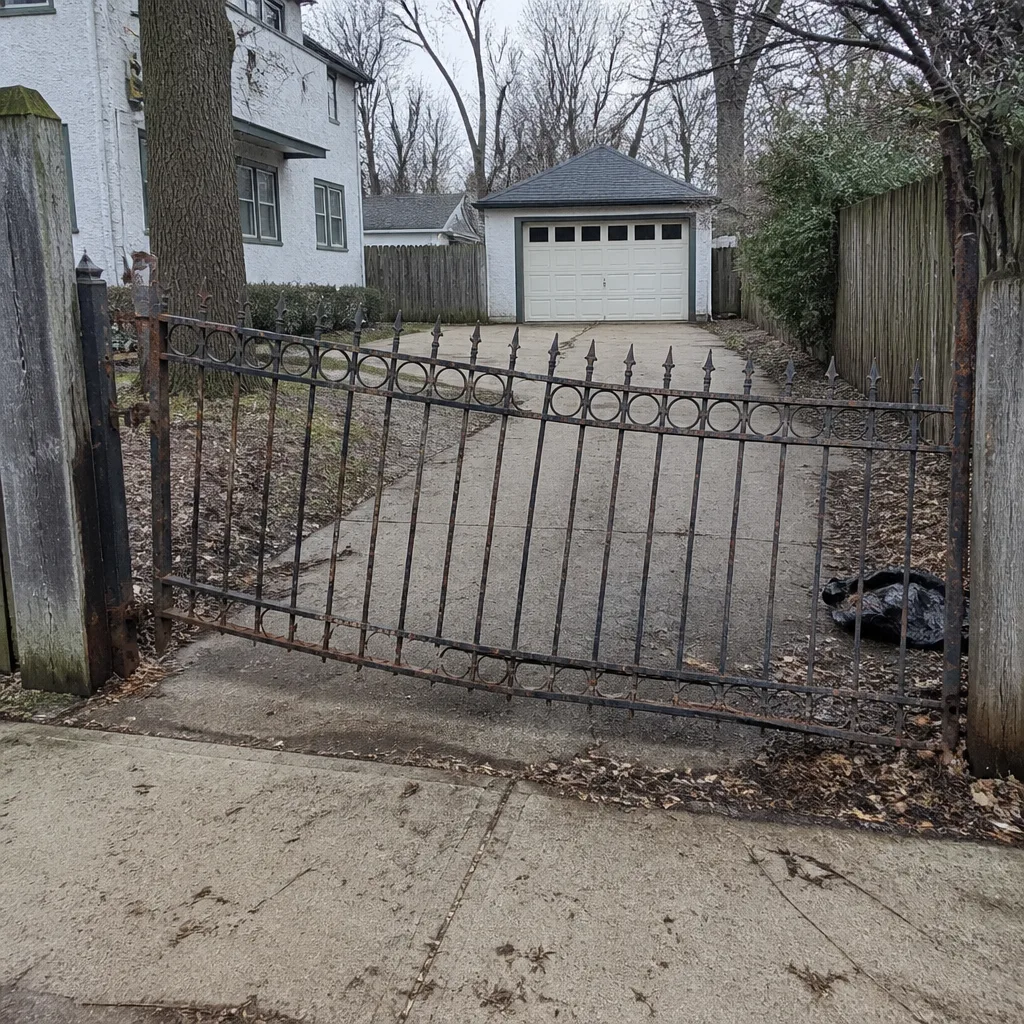 Before
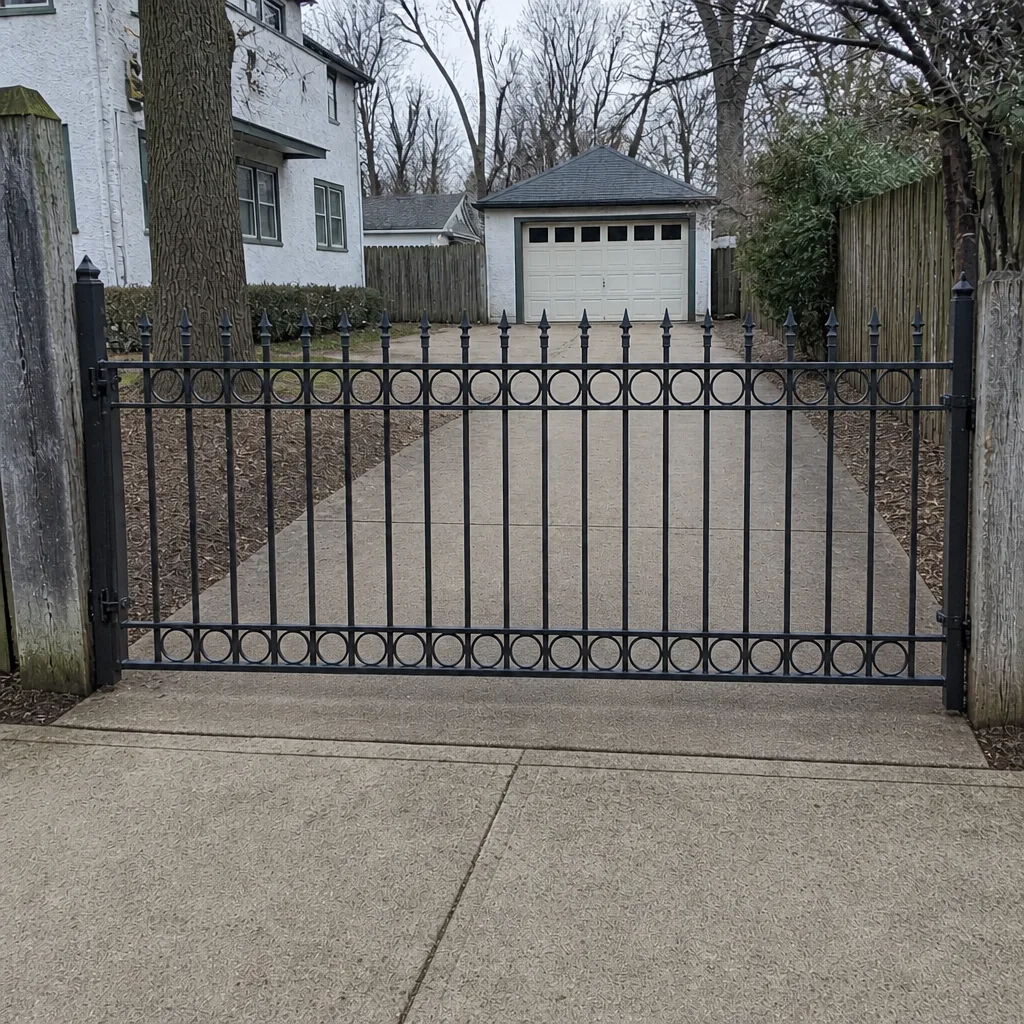 After
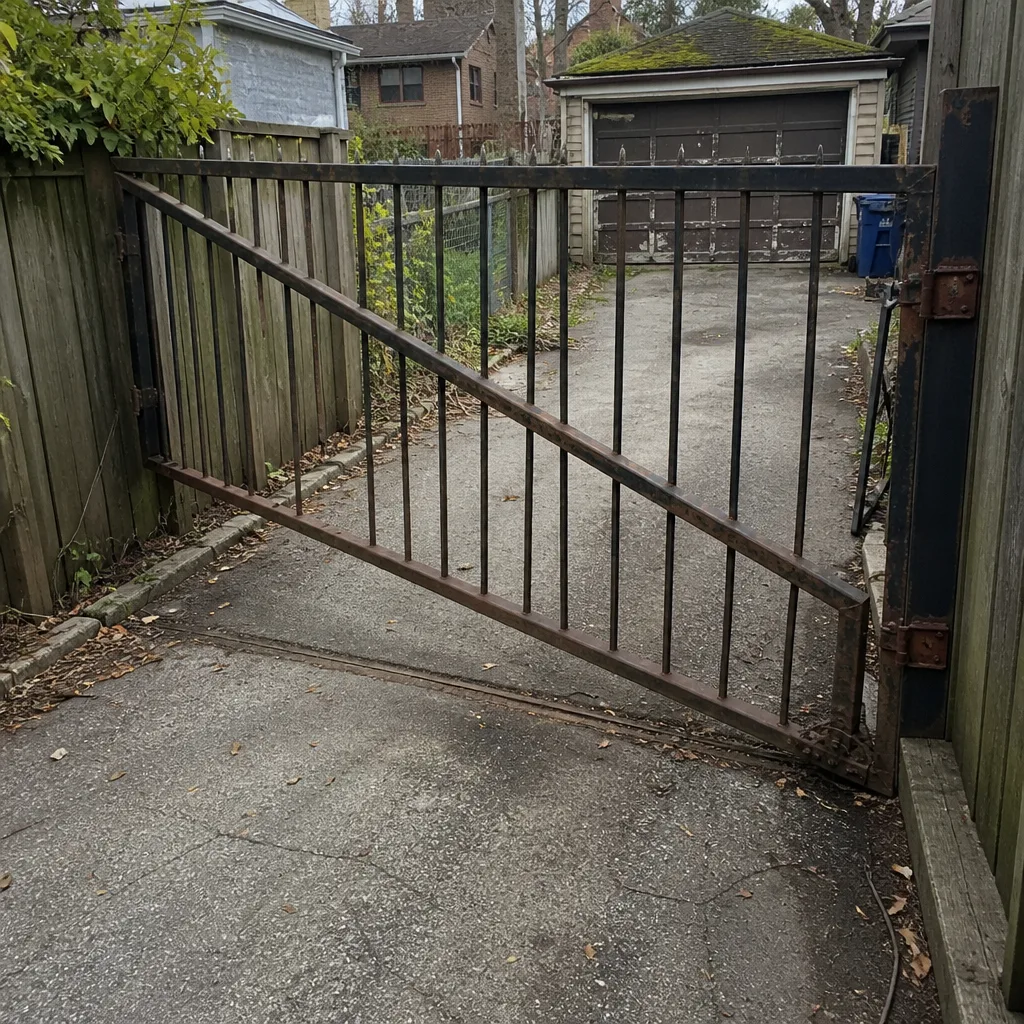 Before
 After
 Before
 After
Frequently Asked Questions
Your gate reverses before closing because the safety sensors (photo-eyes) are detecting an obstruction, or the operator believes they are. The most common cause is a dirty, misaligned, or debris-blocked photo-eye. Clean both sensors, clear anything in their path, and check that they’re lined up with each other before calling for service. If the reversing continues after that, the sensors or the control board need a technician’s evaluation.
Many gate repair calls in Evanston can be handled same-day, especially common issues like photo-eye problems, limit adjustments, and access control resets. We offer fast dispatch from 7am to 7pm, so if you call early there’s a good chance we can get to you the same day. Larger jobs that need parts ordered are scheduled once we know what’s involved. Call (833) 467-5627 for an exact quote. Estimates are free.
Typical gate repair in Evanston ranges from about $80 for a sensor issue to $2,200 for a full motor replacement, with most common repairs falling between $120 and $550. The diagnostic visit ranges from $95 to $180 and is applied toward the repair cost if you proceed. The written estimate sets the final price, and nothing starts until you agree to it. Call (833) 467-5627 for an exact quote. Estimates are free.
We work on equipment from LiftMaster, FAAC, BFT, Linear, Viking, Ghost Controls, DoorKing, Elite, and Mighty Mule, covering residential and commercial gate systems. That includes brands many generalists turn away, like Ghost Controls, DoorKing, Elite, and Mighty Mule. If you’re not sure of your brand, we can usually identify it on-site from the operator label or control board.
Gate repair fixes something physically failed, like a dead motor or a broken hinge. Gate reconfiguration adjusts settings without replacing parts, like resetting travel limits, reprogramming access codes, or recalibrating a loop detector. Reconfiguration is usually cheaper, and it’s often what a gate needs when it’s acting up rather than truly broken. Knowing which one you’re dealing with prevents paying for a motor replacement you didn’t need.
Yes. We handle gate access control including keypads, remotes, receivers, intercoms, loop detectors, and card readers, and we program new codes and re-teach remotes as part of a repair visit. Because access control and the operator are integrated on most modern systems, diagnosing one without the other often leads to replacing the wrong part. Full system integration and new access control configuration are quoted after an on-site review. Call (833) 467-5627. Estimates are free.
The Bottom Line
Gate failures fall into five root causes, and identifying the category before you call is the single best protection against paying for a misdiagnosis. Photo-eye problems, limit drift, and access control resets are common, cheap fixes that often get mistaken for motor failures. Evanston’s historic masonry piers, older electrical service, and freeze-thaw winters create failure patterns that a gate specialist recognizes and a generalist doesn’t. A proper diagnostic visit follows a clear sequence, quotes the price before work starts, and explains which root cause it found. When you need someone who knows the brand and reads the whole system, Evanston Gate Repair is here to help. Get your gate moving again by calling (833) 467-5627 for a free estimate.
Written by the team at Evanston Gate Repair.