Last updated November 25, 2026
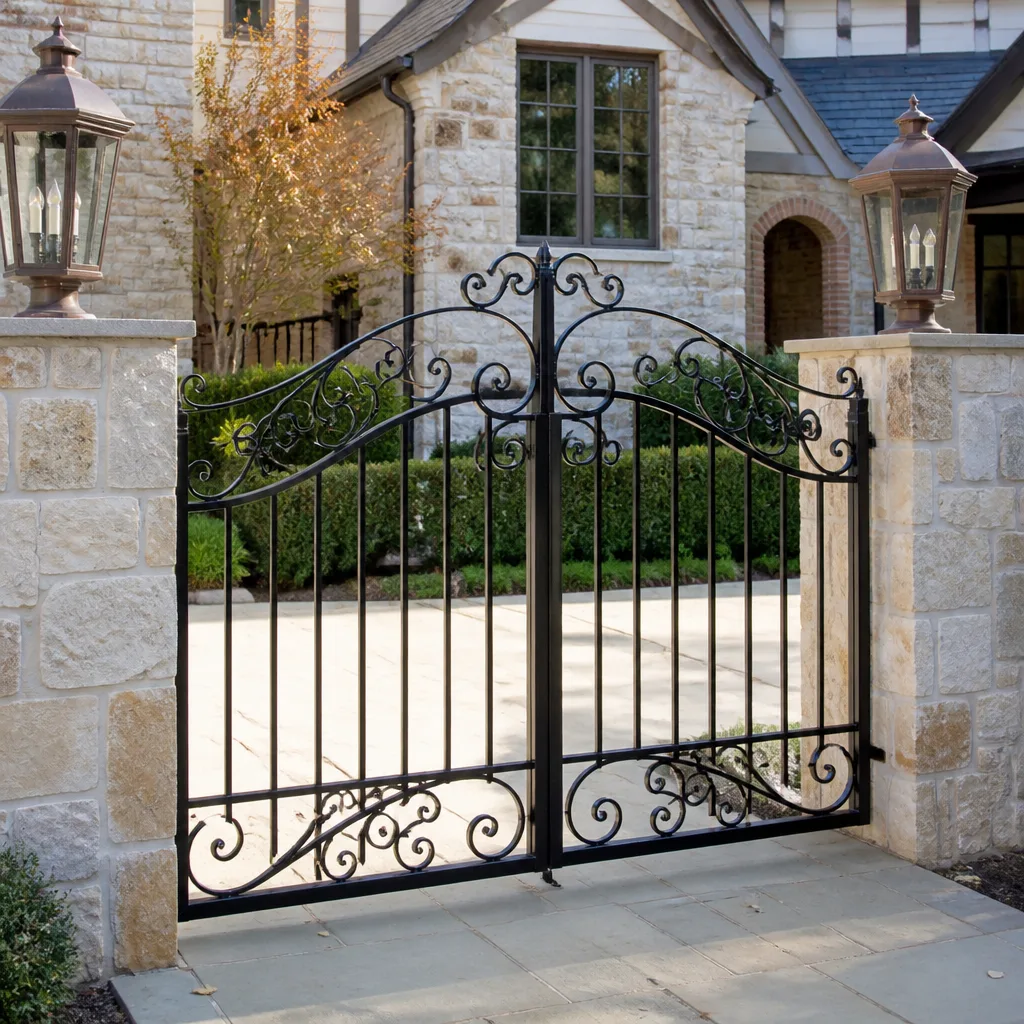 Wrought iron
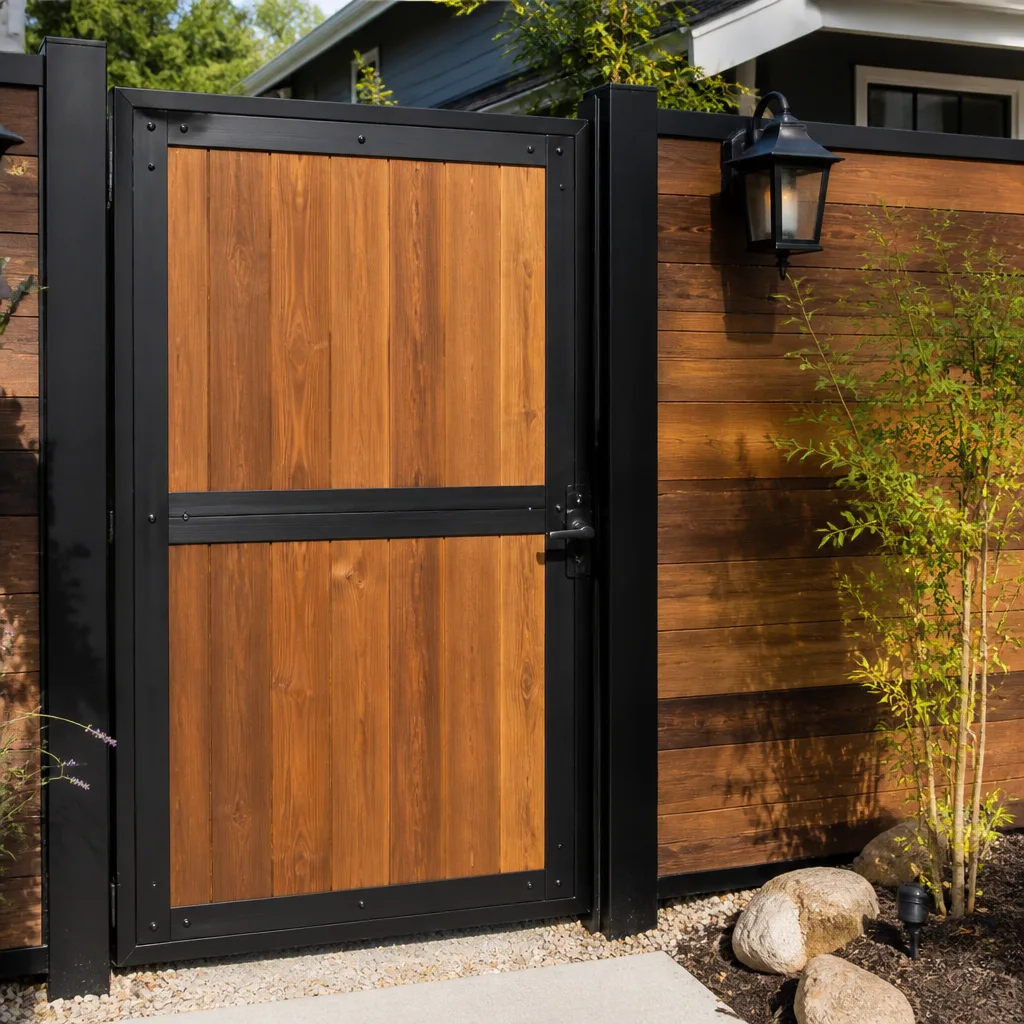 Wood & steel frame
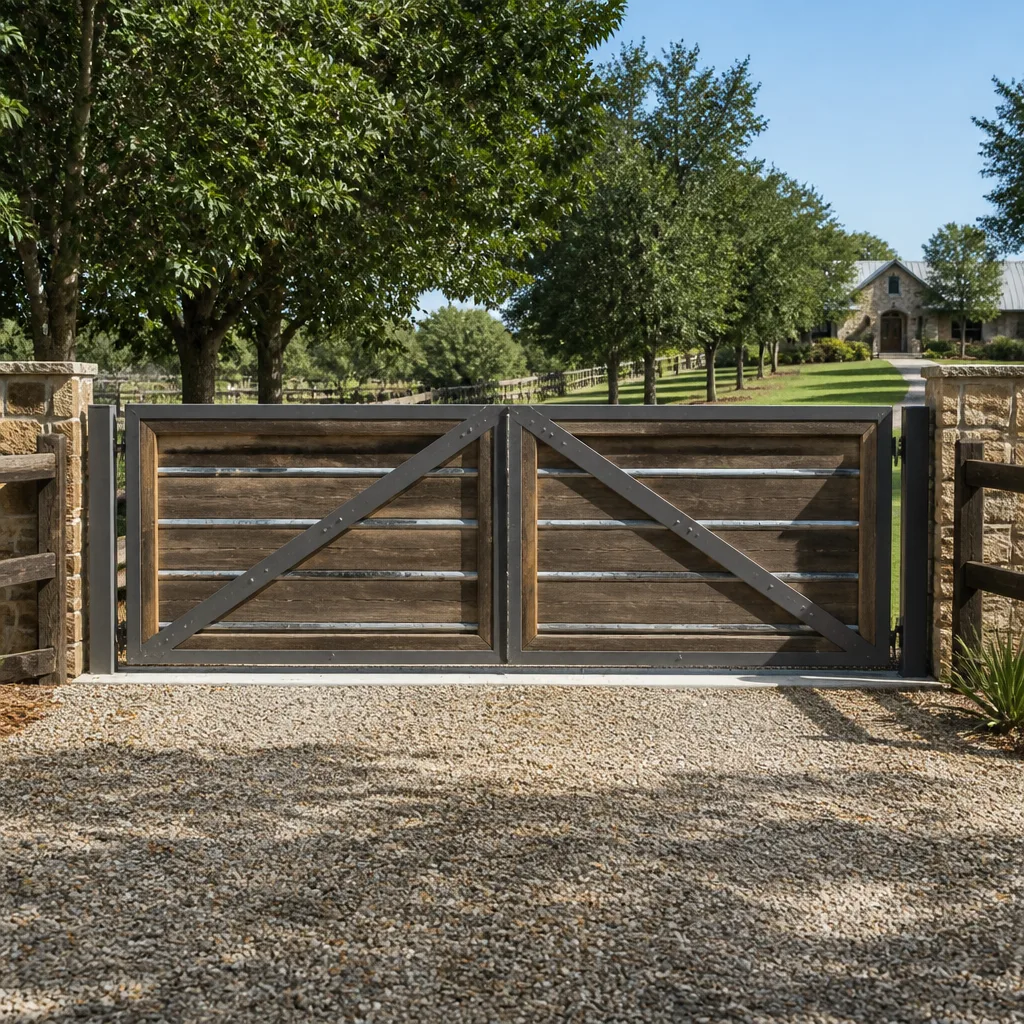 Farm & ranch
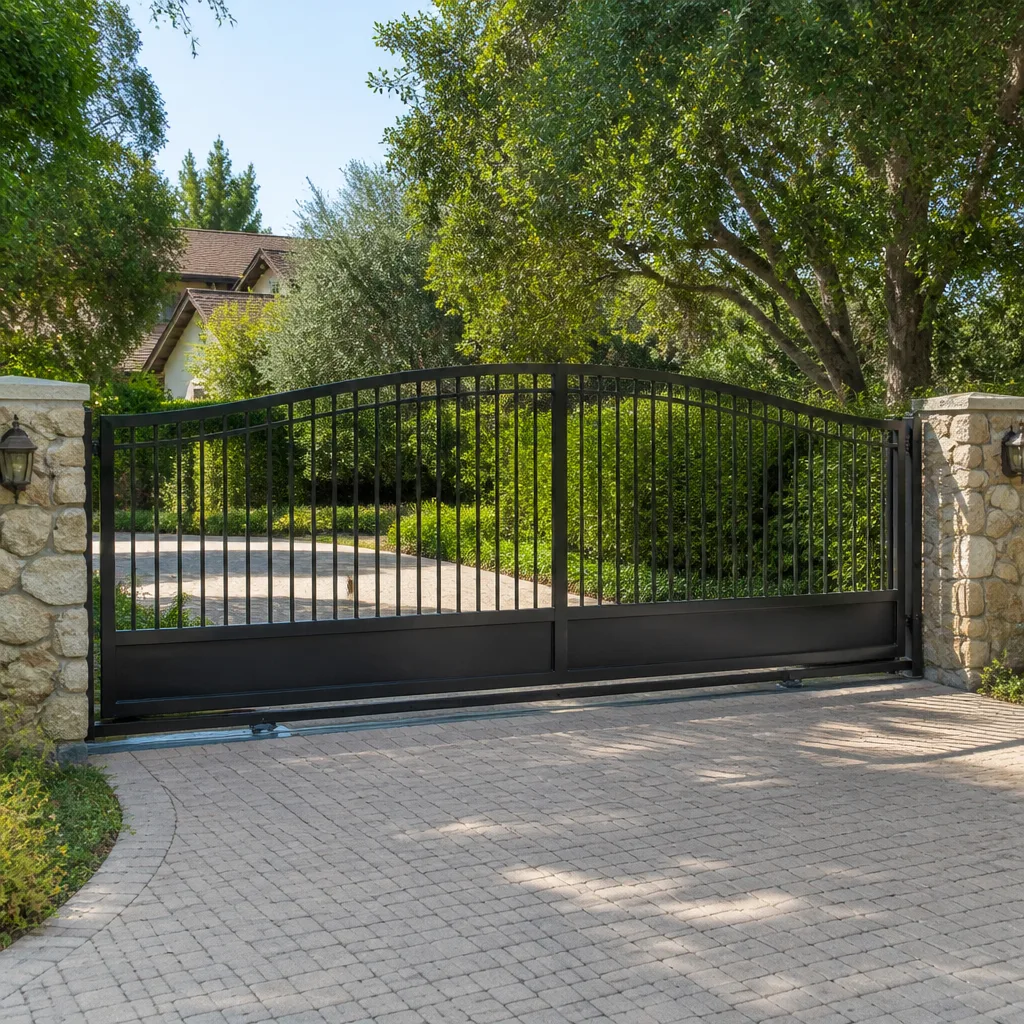 Sliding driveway gates
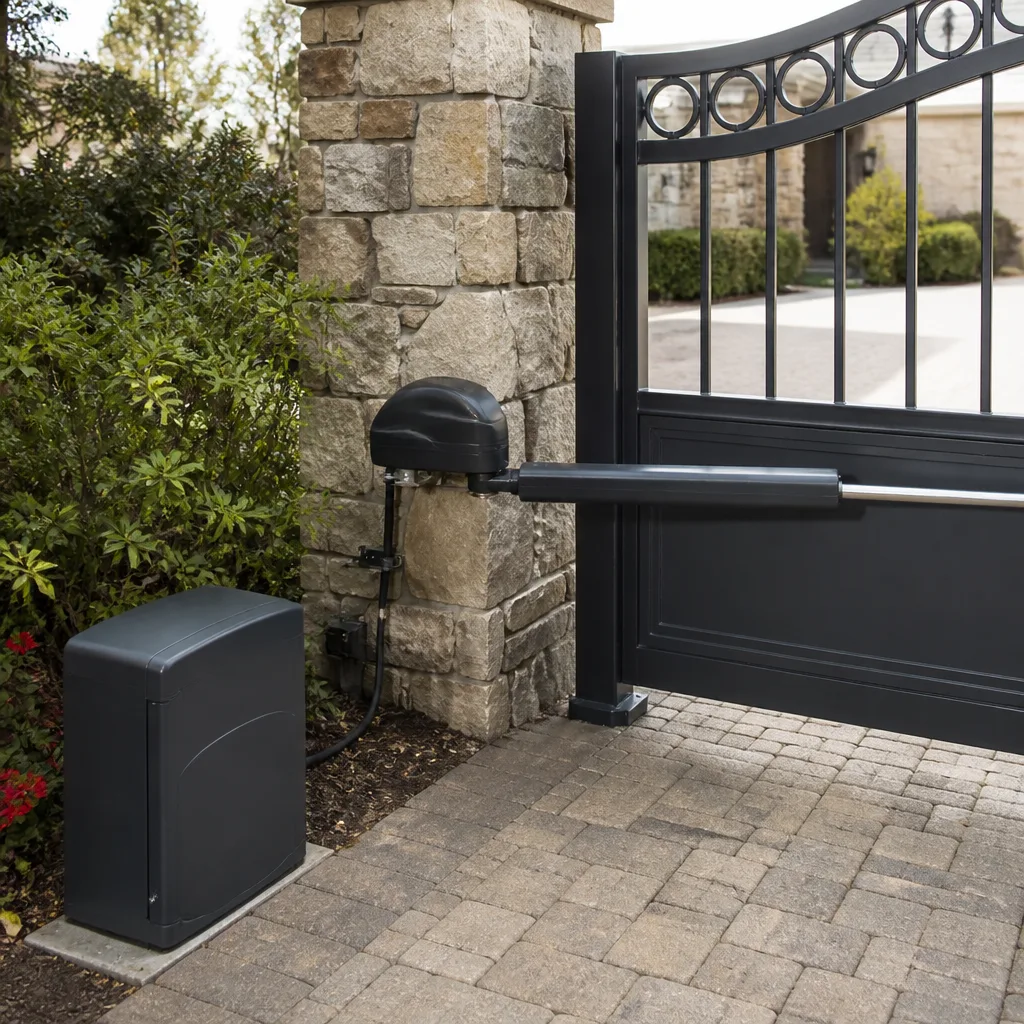 LiftMaster operators
Free on-site gate assessment - hinges, posts, and your LiftMaster or Nice gate operator checked before anything is quoted
The assessment is free and the quote is the invoice.
Get your free estimateGate Repair Permits, Codes & Inspections in Evanston, IL: What You Need to Know
Here’s the part of gate work that rarely comes up until it’s too late: an operator swap or a widened gate opening can quietly cross the line from repair into permitting territory, and nobody tells you because the contractor has already moved on to the next job. A gate installed or altered without the required permit in Evanston can surface on a title search years later and hold up a closing. This guide walks through when a permit is required and when it isn’t, how Evanston inspectors verify UL 325 safeties, how HOA overlay rules stack on top of city code, what the permit application actually asks for, and how to retroactively permit an existing installation.
Quick Answer
In Evanston, routine repair of an existing gate or operator typically does not require a permit, but installing a new automated gate, replacing a gate operator, or altering a gate’s footprint or electrical supply usually does. Automated gate operators must meet UL 325 entrapment-protection standards, and Evanston inspectors verify those safety devices during inspection. If your gate work falls into the permitted category, the written estimate should state clearly whether the permit is included before any work starts.
Styles & brands we work with
- Wrought iron
- Wood & steel frame
- Farm & ranch
- Sliding driveway gates
- LiftMaster operators
Table of Contents
- Repair vs. Alteration: Where Evanston’s Code Draws the Line
- UL 325 Compliance and How Evanston Inspectors Verify It
- HOA Overlay Rules in Evanston Neighborhoods
- What the Evanston Permit Application Actually Requires
- How to Retroactively Permit an Existing Gate
- What the Inspection Process Looks Like
- Choosing a Gate Contractor Who Understands the Paperwork
- What Gate Work and Permits Cost in Evanston
Repair vs. Alteration: Where Evanston’s Code Draws the Line
The distinction that matters most is between a repair and an alteration or new installation. A repair restores a gate or operator to its prior working condition using like-for-like parts: a failed control board swapped for a matching board, a hinge rewelded, a roller replaced, a chain re-tensioned. An alteration changes something material about the gate’s form, function, or power source: a wider opening, a taller panel, a new operator, a new circuit run out to the gate, a below-grade loop detector cut into the driveway.
In our experience, most homeowners assume “we’re just replacing the motor” falls under repair. It usually doesn’t. A new operator is equipment with its own listed safety requirements, and it changes how the gate behaves. That’s the point where a permit generally applies in Evanston.
Here’s how the split typically falls for common gate work:
- No permit typically required: replacing a control board with an identical model, repairing a hinge or latch, rewelding a broken arm, replacing a roller, adjusting limit switches, reprogramming a keypad or remote on an existing system.
- Permit typically required: installing a new automated gate, replacing a gate operator with a different model or one that changes the drive type (swing to slide, screw drive to arm), widening or relocating the gate, adding a new dedicated electrical circuit at the gate, cutting a driveway for a loop detector.
- Grey area, check with the City: swapping an operator for the exact same model when the electrical supply stays unchanged. This one varies by jurisdiction, and the safest path is a phone call to Evanston’s building department before scheduling.
One practical rule of thumb: if the work changes the way the gate is powered, powered safely, or how wide it opens, ask the City. If the work just makes a broken gate work again with the parts it already had, you’re usually fine.
UL 325 Compliance and How Evanston Inspectors Verify It
UL 325 is the safety standard for automated gate operators, and it’s the single most important thing an Evanston inspector will look at when a gate operator is part of permitted work. The standard requires entrapment protection: devices that detect or prevent a person, pet, or vehicle from being caught in the gate’s path.
In practical terms, an automated gate meeting UL 325 needs at least one of the following, and often two depending on the gate type and location:
- Photoelectric sensors (safety eyes): an infrared beam across the gate opening that reverses or stops the gate when interrupted. Required on most slide gates and swing gates in public-facing applications.
- Safety edge: a pressure-sensitive strip along the closing edge of a slide gate that reverses the gate on contact.
- Inherent entrapment protection: the operator’s built-in torque or force sensing that detects resistance and reverses.
- Audible and visual warning: an alarm or flashing light that activates before the gate moves, required in some configurations.
What Evanston inspectors actually do during the safety check is simple and specific: they stand in the gate’s path during a cycle with the sensors in place and confirm the gate reverses. They check that the safety eyes are mounted at the correct height, that the light beam isn’t blocked by landscaping or the gate itself, and that the operator’s reverse sensitivity is set properly. If the operator has a built-in obstruction sensor only, the inspector will confirm it reverses on a physical block.
On residential gates, some brands like Ghost Controls and Linear ship with safety eyes and a reversing logic board out of the box. On commercial or estate systems from DoorKing or Viking, you’re often dealing with loop detectors, safety edges, and separate warning devices, and the inspector will check that all of them function together. If a gate passes the physical work inspection but fails the safety cycle, the permit stays open until the safeties are corrected. This is where gate access control work and gate automation work overlap, because the keypads, intercoms, and loop detectors all interact with the same safety logic.
One more point on safety, and we say this plainly: gate operators carry serious force, and a gate that fails to reverse can crush. Never disable or bypass a safety eye or reversing device to “keep the gate moving.” If a safety device is preventing your gate from operating, that’s the system doing its job, and the fix is diagnosing why it’s triggering, not removing it. Call a trained technician.
HOA Overlay Rules in Evanston Neighborhoods
City code is only half the equation in Evanston. Many neighborhoods with active HOAs layer their own rules on top, and HOA rules often exceed what the City requires. Where the City says “permit required,” the HOA may add aesthetic, height, material, or color approvals. Where the City says “no permit needed,” the HOA may still require architectural review before you change anything visible from the street.
What HOA overlays commonly add on top of Evanston city code:
- Architectural review: a submittal to the HOA’s architectural committee before a gate is installed or replaced, including drawings and material samples.
- Height and material restrictions: limits on gate height or requirements for a specific material (wrought iron, wood, aluminum) that may match or exceed City limits.
- Operator noise and appearance rules: some HOAs restrict visible operator components or require enclosures for the motor and controls.
- Landscape and sightline rules: restrictions on hedges or plantings near the gate that could block a safety eye or obscure the gate from the street.
The practical takeaway: get HOA approval in writing before you schedule the work. If the HOA and the City disagree, the stricter rule wins. We’ve had to walk customers through this back-and-forth on estate-grade DoorKing systems in Evanston where the HOA wanted a different finish and the City wanted a different sightline at the safety eye, and the only way to pass both was to resolve it early. Get the HOA sign-off, then permit, then install.
What the Evanston Permit Application Actually Requires
When a permit is required, the City of Evanston’s building department wants a clear picture of what’s being installed, how it’s powered, and who’s doing the work. The exact submittal list varies slightly by project, but for gate work it typically includes the following:
- A site plan or plot plan showing the gate’s location on the property, its setback from the property line, and the driveway approach.
- Gate drawings or specifications showing the gate’s dimensions, material, swing or slide direction, and clear opening width.
- Operator specifications and cut sheet: the make and model of the operator, including the UL 325 listing, the safety devices included, and the operator’s rated capacity against the gate weight and length.
- Electrical information: the voltage, amperage, and location of the circuit feeding the operator, and whether a licensed electrician will pull a separate electrical permit for the circuit run.
- Contractor licensing documentation: the contractor’s state license and, if required by the City for the scope, registration with the City.
- Property owner authorization if the contractor is submitting on the owner’s behalf.
Most cities require a permit for new automated gate installation, and Evanston is no exception. What tends to slow applications down is missing operator documentation and a site plan that doesn’t clearly show the safety device locations. An operator spec sheet for a residential Linear unit looks different from a commercial Viking cut sheet, and the inspector wants the one that matches the gate going in. If you’re working with a contractor who regularly pulls gates in Evanston, they’ll already have this packet in hand. If you’re working with a generalist, expect to be the one chasing the spec sheets.
Ask the City’s building department for the current submittal checklist before you submit. The list is stable but not frozen, and getting it wrong means resubmitting.
How to Retroactively Permit an Existing Gate
If a gate was installed or altered without a permit, the situation is fixable. Retroactive permitting, sometimes called a permit for existing work, is a common process and not a catastrophe. The steps generally go like this:
- Call the City of Evanston building department and confirm whether the existing gate or operator requires a permit. Not every unpermitted gate does, especially if it was installed under a previous code cycle or the work was originally considered repair.
- Gather the documentation that would have been required originally: drawings, operator specs, and the electrical details. If those weren’t kept, a gate technician can produce them by inspecting the installation and photographing the operator, the safeties, the wiring, and the gate itself.
- Submit the application as a permit for existing work. The City will tell you what submittal is required for a retrofit versus a new installation, and it’s typically lighter.
- Prepare the gate to pass inspection. If the existing installation is missing safety eyes, a safety edge, or a reversing device required by UL 325, those have to be installed before the inspection. Bring the operator up to current safety requirements, not the requirements in place when the gate was originally installed.
- Attend the inspection. The inspector will verify that the installed work matches the submitted drawings and that the safety devices function. Corrections, if any, are noted and a re-inspection is scheduled.
One thing we’ve learned from these: the inspection is easier when the person submitting the permit understands how the operator’s safeties interact. If the keypad or intercom won’t trigger the gate because a safety eye is misaligned, that looks like an electrical problem to the inspector but it’s really an access control setup issue. Solving it before the inspection is much cheaper than a re-inspection. Our gate motor & opener work on existing systems often includes prepping a gate for exactly this kind of retroactive inspection.
What the Inspection Process Looks Like
The inspection itself is fast. What gets checked is specific, and if you know what’s coming, you can be ready.
What inspectors typically check on an automated gate:
- That the installed operator matches the submitted specs and the gate it’s driving.
- That the gate is physically safe: no sharp edges, no sagging, no evidence of the gate binding on its track or hinges.
- That the entrapment protection devices are present and functional: safety eyes, safety edges, or a built-in reversing device that reacts correctly.
- That the electrical supply is proper: correct circuit protection, correct disconnect location, and wiring secured in conduit where required.
- That warning signs are posted where the standard requires them, typically near the gate’s operating controls.
- That the access control equipment (keypads, intercoms, loop detectors) operates the gate and interacts correctly with the safety logic.
The most common reason an inspection fails is a safety eye that’s aimed wrong, blocked, or miswired. It’s an easy fix and a cheap fix, but it’s a rescheduled inspection. The second most common is missing operator documentation. The third is that the gate’s mechanics are weak enough that the operator can’t reliably move it, which sends the job back to repair before it can be inspected.
If the inspection passes, the permit is closed and the work is on record at the City. That record is what your buyer’s title company will find at resale. A closed permit with a passed inspection is a clean answer to the question; a gate that never had a permit at all is an open question that costs time and money to close during a sale.
Choosing a Gate Contractor Who Understands the Paperwork
The single biggest factor in how smoothly a permitted gate project goes is who you hire. A generalist contractor can install a gate, and a handyman can sometimes get a gate moving again, but neither is set up to handle the UL 325 documentation, the operator spec sheet, and the safety verification that Evanston inspectors want to see. That’s the gap a gate-only specialist fills.
What to look for when you’re hiring for gate work in Evanston:
- Gate-specific experience: someone who works exclusively on gates and gate operators, not a company that lists gates alongside garage doors, fences, and landscaping. Depth matters here.
- Brand familiarity across residential and commercial: an operator from Ghost Controls or Linear is a very different animal from a commercial DoorKing or Viking system. A contractor who only knows one brand will be guessing on yours.
- Access control coverage: the gate is only half the system. Keypads, intercoms, loop detectors, and sensors all need to work together, and the contractor should be able to program them and confirm they interact correctly with the safety logic.
- Paperwork fluency: ask directly whether they pull permits and whether they’ve passed Evanston inspections on automated gate work. A contractor who avoids permits is telling you something.
- A written estimate before any work starts: the price should be quoted and agreed before anyone touches the gate, and it should say whether the permit is included.
We’re gate-only specialists. That means every technician on a gate call is focused on gate repair, automation, and access control, not splitting attention across a dozen trades. We work on systems from LiftMaster, FAAC, BFT, Linear, Viking, Ghost Controls, DoorKing, Elite, and Mighty Mule, and we cover residential and commercial gates on the same kind of call. See our full gate repair and installation services for a picture of what all is covered. Our technicians have up to 12 years of experience, and the estimate is free.
What Gate Work and Permits Cost in Evanston
Gate work and permits are typically priced per job by estimate after an on-site look at the gate, the operator, and the access control system, so the written estimate you receive sets the final price. What we can tell you is how the cost breaks down and what usually drives it up or down.
How gate projects typically break down on cost:
- Service call and diagnosis: a flat trip charge to evaluate the gate, confirm what’s failing, and document what’s needed for permit submittal if applicable.
- Repair labor and parts: priced per job after diagnosis. A control board, a safety eye pair, a hinge repair, and a chain replacement all price differently.
- Operator replacement: priced per job by the operator’s model and capacity. A residential Ghost Controls operator and a commercial DoorKing operator are different pieces of equipment with different price points.
- Safety devices: safety eyes, safety edges, and warning devices priced as line items when they’re added or replaced.
- Access control work: keypads, intercoms, loop detectors, and programming priced per device and per system.
- Permit fees: set by the City of Evanston based on scope, paid as part of the project and included in the estimate.
Two things that reliably raise the cost: a gate that’s been sagging or misaligned and needs mechanical repair before the operator can be inspected, and an electrical run that needs a new dedicated circuit. Two things that keep it down: addressing a failing safety device early so it doesn’t take the operator down with it, and having the documentation ready so the permit doesn’t get resubmitted.
We quote the price before any work starts. Call (833) 467-5627 for a free estimate and we’ll walk the gate, tell you whether the work needs a permit, and put the number in writing.
Common Mistakes to Avoid
- Assuming an operator swap needs no permit. If the operator model changes, the drive type changes, or the electrical supply changes, that’s usually a permit in Evanston. Ask the City before you schedule.
- Thinking the HOA rule and the city rule are the same thing. HOA overlays in Evanston often exceed city code on height, material, and color. Get HOA approval in writing before you start.
- Skipping the safety eye to “keep the gate moving.” Bypassing a safety device to get the gate to close is dangerous and will fail inspection. Fix the underlying cause instead.
- Losing the operator spec sheet. The inspector wants the cut sheet for the operator that’s actually installed. If it’s lost, be prepared to reconstruct it before the inspection.
- Hiring a generalist and expecting them to pull the permit. Ask directly. If the answer is vague, that’s a signal.
- Letting a sagging gate go until it takes down the operator. A gate that binds puts force on a motor that can’t handle it. Fix the mechanics first, then the automation.
- Assuming a gate will sell itself at closing. An unpermitted gate can flag on a title search. Close the permit before you list.
See the difference
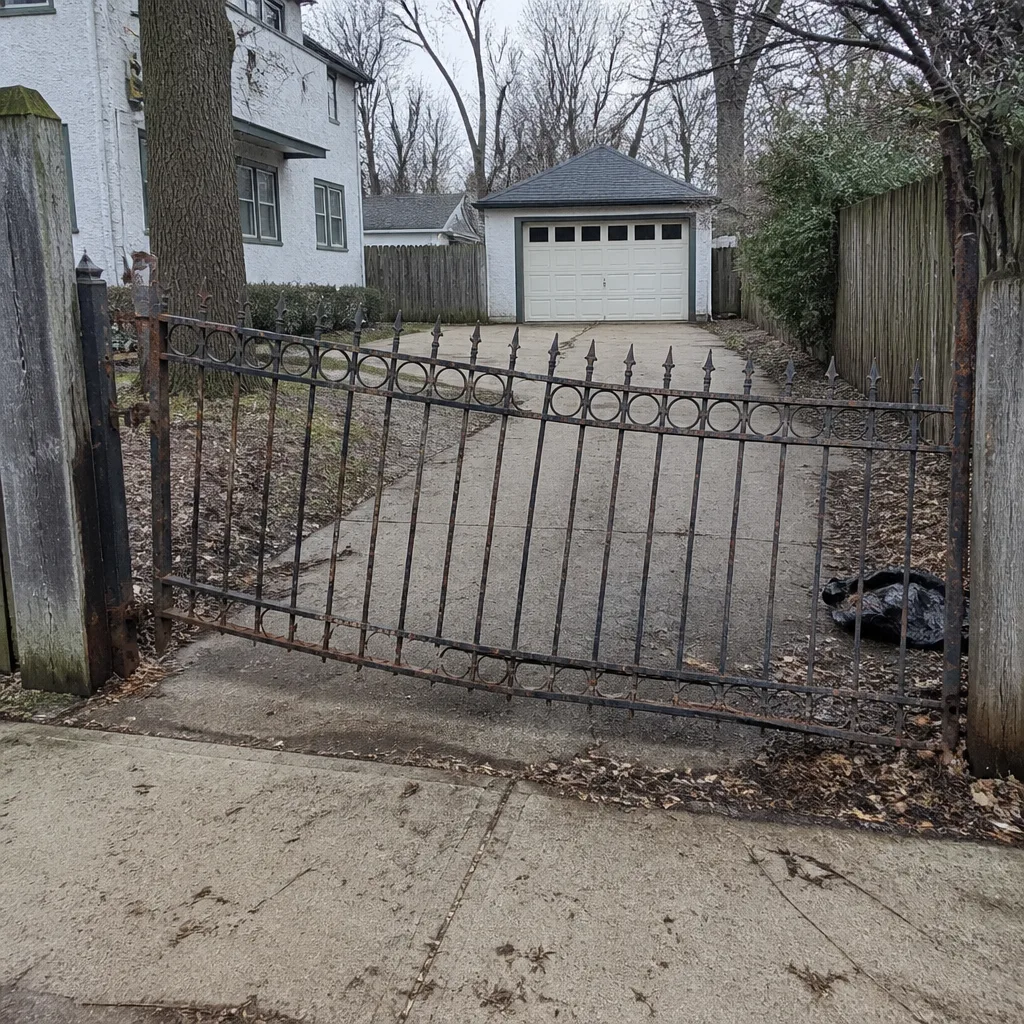 Before
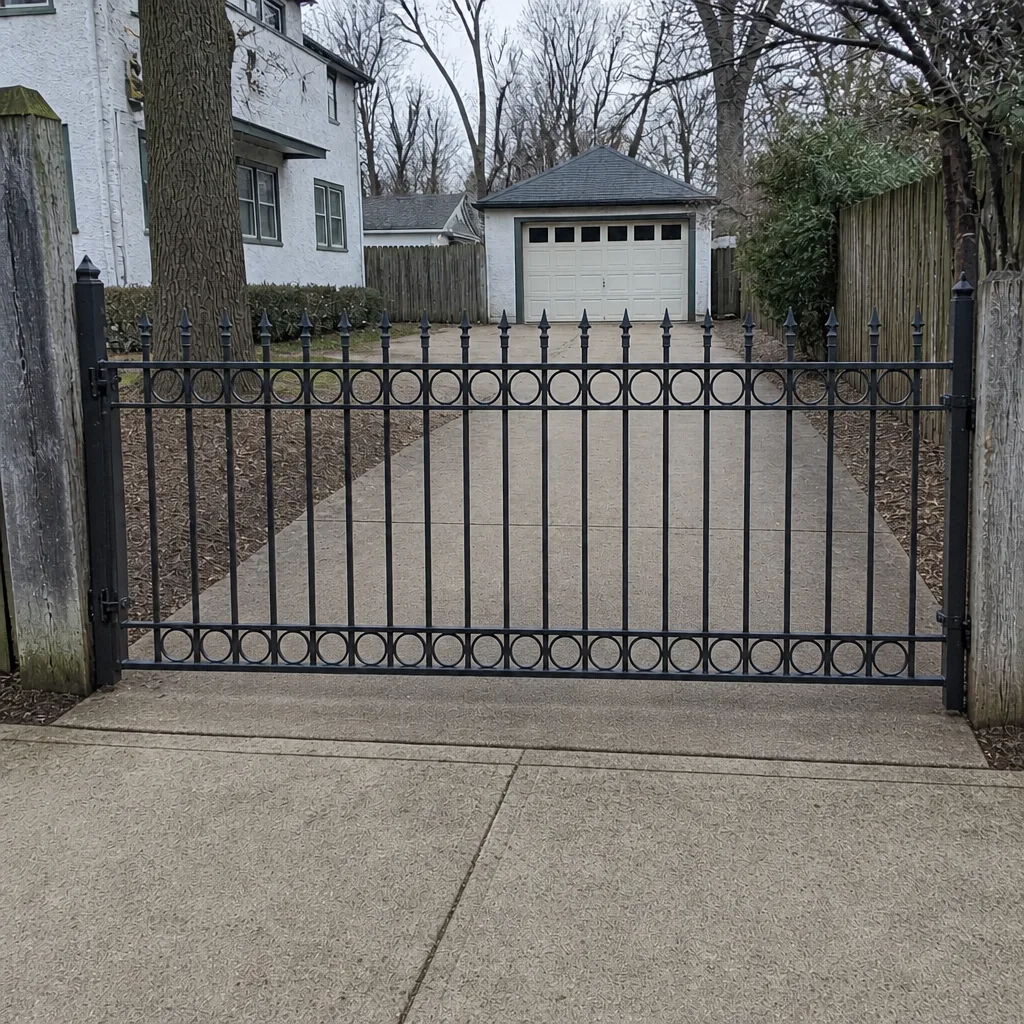 After
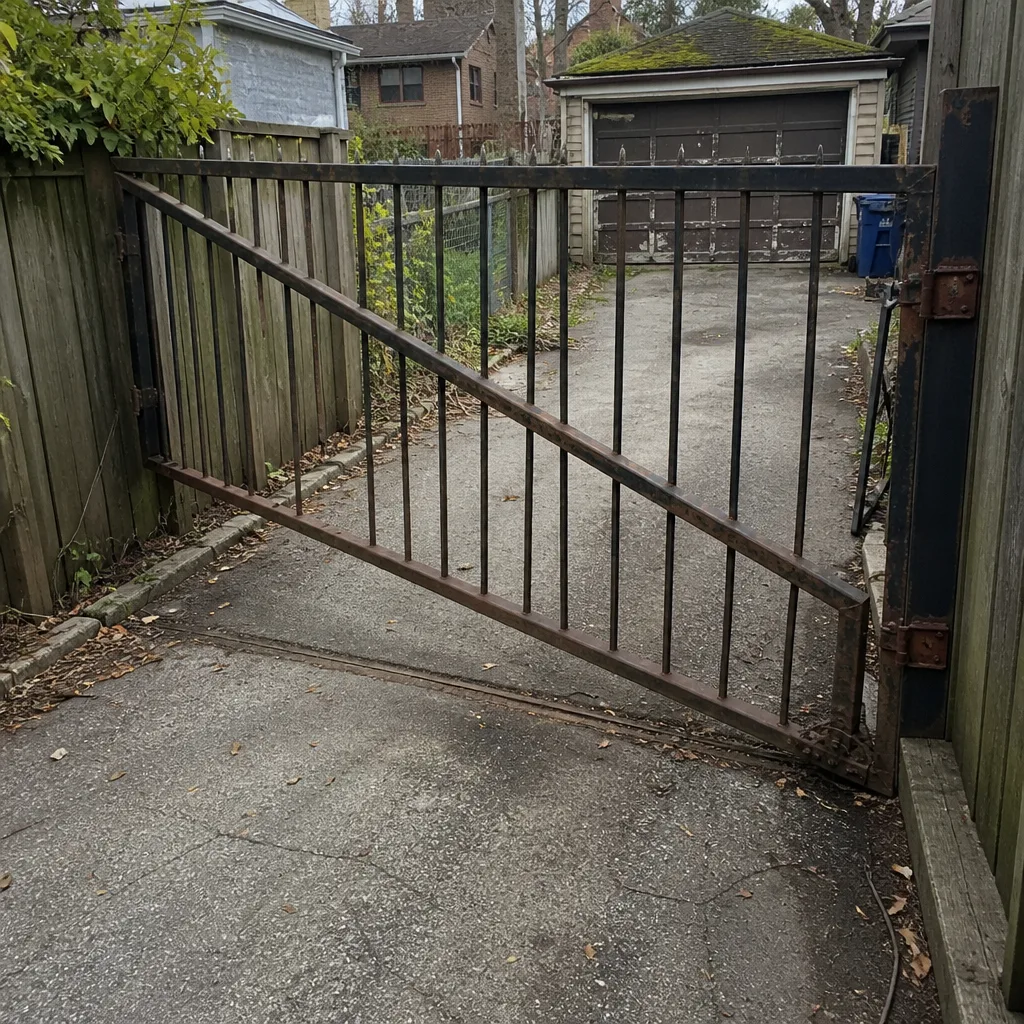 Before
 After
 Before
 After
When to Call a Professional
Call a professional before you take on any of the following yourself: a gate that won’t reverse on obstruction or that has a safety eye that keeps tripping, an operator that needs replacing, an electrical run to the gate that needs work, a gate that’s sagging or binding, a keypad or intercom that won’t operate the gate, or any project where you don’t know whether a permit is required. These are the scenarios where a documented, licensed contractor makes the difference between a clean pass and a resubmitted permit. Evanston Gate Repair offers free estimates in Evanston, and we’ll tell you honestly whether the work needs a permit before we quote it. Call (833) 467-5627 to schedule.
Frequently Asked Questions
In most cases, yes. Replacing a gate operator generally requires a permit in Evanston, especially when the operator model, drive type, or electrical supply changes. A same-model replacement with an unchanged electrical supply is a grey area, so confirm with the City before scheduling. Call (833) 467-5627 for an exact quote and we’ll tell you what the permit picture looks like for your gate. Estimates are free.
UL 325 is the safety standard for automated gate operators, and yes, any permitted automated gate work in Evanston must meet current UL 325 safety requirements, including entrapment protection such as safety eyes, a safety edge, or a built-in reversing device. An Evanston inspector will verify those devices function during inspection. Call (833) 467-5627 to confirm what your gate needs.
Yes, you can usually retroactively permit an existing gate installation in Evanston by submitting a permit for existing work to the City’s building department. You’ll need the drawings and operator specs, and the gate needs to meet current UL 325 safety requirements before it can pass inspection. A gate technician can produce the documentation from an on-site inspection. Call (833) 467-5627 for an assessment.
Yes, many Evanston HOAs add rules that go beyond city code, including architectural review, height and material restrictions, and operator appearance requirements. Where HOA rules and city code overlap, the stricter rule wins. Get HOA approval in writing before you schedule gate work, and call (833) 467-5627 if you want help sorting out which rules apply.
The Evanston permit application for gate work typically requires a site plan, gate drawings or specs, the operator spec sheet with the UL 325 listing, the electrical details, contractor licensing documentation, and owner authorization if the contractor is submitting. Getting the submittal packet right the first time prevents a resubmission. Call (833) 467-5627 and we’ll help you understand what’s needed for your project.
Many gate repairs in Evanston can be done same day when we have the parts on hand, and our dispatch runs from 7am to 7pm. A same-day visit usually covers diagnosis and simple repairs like a failed control board, a hinge, or a safety eye. Larger repairs, operator replacements, and permitted installation work are measured, ordered, and scheduled. Call (833) 467-5627 and we’ll tell you what’s realistic for your gate.
The Bottom Line
The core of it: in Evanston, repair to an existing gate or operator typically needs no permit, but a new operator, a widened gate, a relocated gate, or a new electrical circuit usually does. UL 325 safety devices are what Evanston inspectors look at most closely, and passing inspection is much easier when the contractor knows which devices your operator needs and how to document them. HOA rules stack on top of city code, and where they conflict, the stricter one wins. If a gate was installed without a permit, retroactive permitting is fixable. If you’re selling, close the permit before you list. Call (833) 467-5627 for a free estimate.
Written by the team at Evanston Gate Repair.